Timing Belt Replacement
Timing Belt Replacement
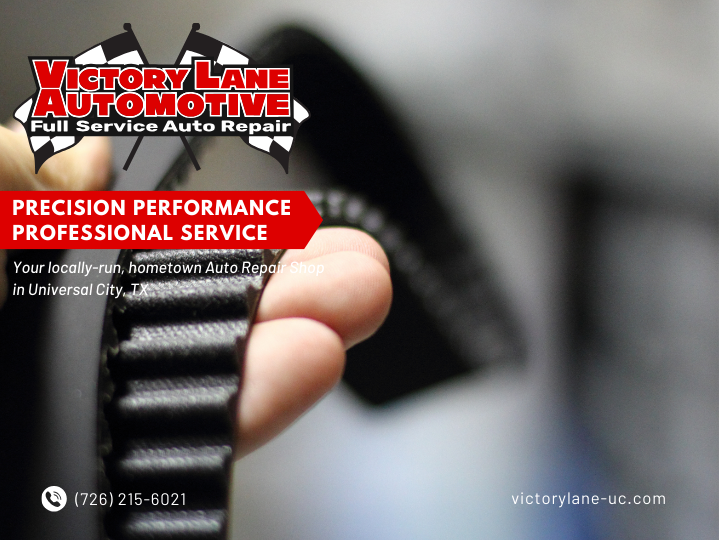
The Ultimate Guide to Timing Belt Replacement: Protecting Your Engine's Life
In the intricate world of automotive mechanics, precision is everything. Every stroke of a piston and every opening of a valve must occur at exactly the right micro-second. At the center of this synchronized dance is a component that often goes unnoticed until it fails: the timing belt.
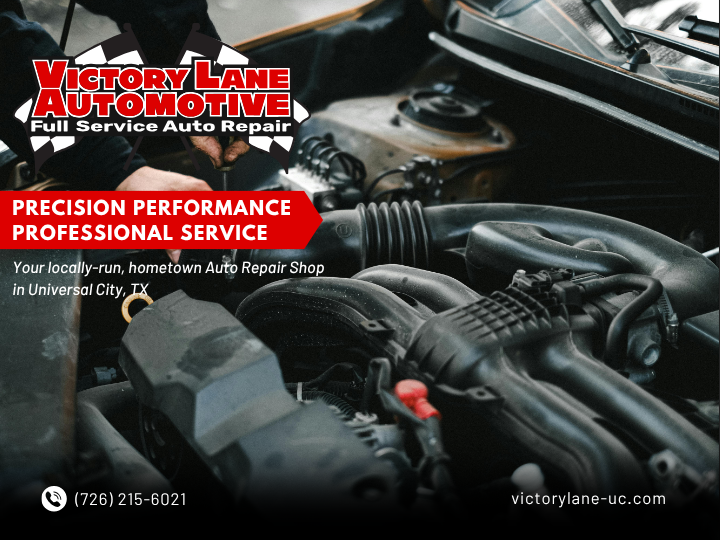
Often hidden behind a protective cover, the timing belt is a reinforced rubber strap with "teeth" that grip the gears of the crankshaft and camshaft. Its primary responsibility is to ensure these two vital components rotate in perfect harmony. When it functions correctly, your engine runs smoothly, efficiently, and powerfully. However, because it is made of rubber compounds, it is a wear item that requires periodic replacement to prevent catastrophic engine failure.
Why Timing is Everything
To appreciate the importance of a timing belt, one must understand the internal mechanics of a modern internal combustion engine. Most vehicles today utilize what is known as an "interference engine." In this design, the space used by the valves and the space used by the pistons overlap. They are kept from colliding by the timing belt, which ensures the valves are tucked away when the piston reaches the top of its stroke.
If the belt snaps or "jumps time" while the engine is running, the synchronization is lost. The pistons will continue to move upward, slamming into the open valves. This collision often results in:
- Bent or broken valves
- Damaged cylinder heads
- Piston crown destruction
- Complete engine failure
In many cases, the damage from a broken timing belt is so extensive that the entire engine must be replaced. This makes preventative replacement one of the most cost-effective maintenance tasks you can perform on your vehicle.
When Should You Replace Your Timing Belt?
Unlike tires or brake pads, you cannot easily see the condition of your timing belt. Because it is shielded from view, mechanics rely on manufacturer-recommended intervals and specific physical symptoms to determine when a replacement is necessary.
1. Manufacturer Intervals
Most automotive manufacturers suggest replacing the timing belt every 60,000 to 100,000 miles. However, time is also a factor. Even if you don’t drive often, rubber degrades over time due to heat and ozone exposure. If your vehicle is more than 6–7 years old and has never had a belt change, it is likely due for one regardless of the mileage.
2. Ticking or Clicking Noises
A worn timing belt can produce a distinct ticking sound as it cycles through the gears. This is often an indication that the belt has become loose or that the teeth are beginning to fray or wear down. If you hear a "fast-paced" ticking coming from the front of the engine, it is time for an inspection.
3. Engine Misfires
If the belt stretches or loses a tooth, it can cause the engine’s timing to slip. This results in the valves opening or closing at the wrong moment, leading to an engine misfire. You might notice the car shaking, a loss of power, or a "Check Engine" light appearing on your dashboard.
4. Difficulty Starting
A broken or severely slipped belt will prevent the engine from starting at all. You may hear the starter motor engage and the engine try to turn over, but because the camshaft isn't rotating in sync with the crankshaft, the combustion process cannot begin.
5. Oil Leaks and Overheating
In many engine designs, the timing belt also drives the water pump. If the belt is slipping or the tensioner is failing, the water pump may not circulate coolant effectively, leading to engine overheating. Additionally, oil leaks from the front of the engine can saturate the belt, causing the rubber to break down much faster than intended.
Precision Maintenance at Victory Lane Automotive
Maintaining the heartbeat of your vehicle requires a team that prioritizes accuracy and technical excellence. At Victory Lane Automotive, we specialize in the delicate process of timing belt service and engine synchronization. Located at 264 Kitty Hawk Rd, Universal City, TX 78148, our shop is staffed by ASE-certified technicians who understand the specific requirements of various makes and models.
When you bring your vehicle to us for a timing belt inspection or replacement, we don't just swap a part. We perform a comprehensive assessment of the entire timing system.
The Water Pump Connection
One of the most common questions we receive is whether the water pump should be replaced at the same time as the timing belt. In most engines, the labor required to reach the timing belt is exactly the same as the labor required to reach the water pump. Because water pumps have a similar lifespan to the belt, replacing them together is a smart long-term strategy. It ensures you won't have to pay for the same labor twice just a few months later if the pump begins to leak.
Our Service Area
We are proud to be the trusted choice for drivers in Universal City and the surrounding Northeast San Antonio communities. Our customers come to us from all over the region, including:
- Universal City
- Schertz
- Cibolo
- Live Oak
- Converse
- Selma
- Randolph Air Force Base (JBSA-Randolph)
- Garden Ridge
Whether you are a local resident or commuting to the base, we offer the reliability and professional care your vehicle deserves. We treat every car as if it were our own, ensuring that every bolt is torqued to spec and every timing mark is perfectly aligned.
Why Choose a Professional for Timing Service?
A timing belt replacement is not a "DIY" project for the faint of heart. It is a labor-intensive, high-stakes repair. A single tooth out of alignment can result in poor performance or, at worst, immediate engine damage the moment you turn the key.
At Victory Lane Automotive, we use professional-grade timing kits that include new tensioners and idler pulleys. These components are just as likely to fail as the belt itself, and replacing them provides the peace of mind that your engine’s internal timing is secure for another 60,000+ miles.
Transparent Communication and Reliability
We believe in keeping our customers informed. When we inspect your vehicle, we provide a detailed report on the condition of your belts, hoses, and fluids. If your timing belt is showing signs of "glazing" (a shiny, brittle appearance) or cracking, we will show you exactly what we see. Our goal is to empower you with the information you need to make the best decision for your vehicle’s longevity.
If you are approaching a major mileage milestone or if your engine has started making unusual sounds, don't wait for a breakdown. A preventative belt change is a small investment compared to the cost of a full engine rebuild.
Ready to ensure your engine stays in perfect sync? Give us a call at (726) 222-1264 or visit us online at https://www.victorylane-uc.com/ to schedule your timing belt inspection. We look forward to seeing you at our shop in Universal City.
You can watch the video