Can I Drive With a Check Engine Light On
Can I Drive With a Check Engine Light On
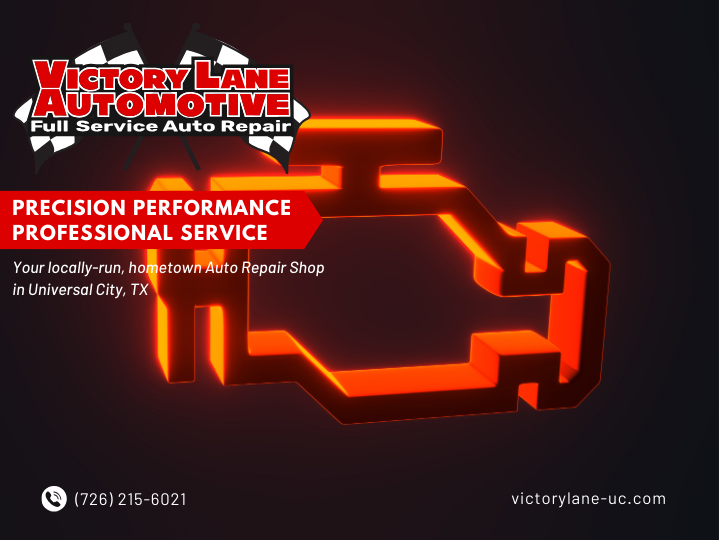
Can I Drive With a Check Engine Light On? What It Depends On
A check engine light has a way of showing up when you don’t have time for it. The car still starts. It still moves. Nothing sounds obviously “broken.” And yet, you’re staring at a warning that could mean anything from “handle it soon” to “stop driving now.”
So let’s answer the real question the way a good shop would:
Sometimes you can drive with a check engine light on. Sometimes you shouldn’t.
What it depends on is
whether the light is flashing, how the engine is running right now, and what system triggered the warning.
This guide is built around your best interest. No scare tactics. No pressure. No guessing. You’ll get a clear decision framework, the symptoms that change the urgency, what you can do immediately, and what a proper diagnostic process looks like so you avoid wasting time and money chasing the wrong fix.
What the Check Engine Light Actually Means
Modern vehicles monitor engine operation constantly through sensors and control modules. When the computer detects something outside expected parameters, it stores:
- Diagnostic Trouble Codes (DTCs): which test failed or which condition was detected
- Freeze-frame data: a snapshot of what the engine was doing when the fault occurred (RPM, load, coolant temp, vehicle speed, etc.)
Here’s the key:
A check engine light is an alert—not a diagnosis.
It doesn’t tell you which part to replace. It tells you the vehicle recorded information that needs to be interpreted and confirmed with testing.
That’s why two vehicles can both have a check engine light on and be in completely different situations—one might be safe to drive short-term, and the other might be damaging itself with every mile.
Solid vs. Flashing: The Fastest Way to Judge Urgency
If you’re trying to decide what to do today, this is the first split that matters.
Solid check engine light
A solid check engine light typically means the computer detected a fault that affects emissions and/or performance, but it is not currently flagging it as an immediate engine-damage condition.
Often you can drive short-term if the car feels normal—while you schedule a diagnostic soon.
Flashing check engine light
A flashing check engine light most commonly indicates an active misfire severe enough that it can overheat and damage the catalytic converter quickly.
If it’s flashing, stop driving as soon as it’s safe.
Reduce speed, avoid acceleration, and in many cases towing is the smartest choice.
If you only remember one thing from this article, remember this: flashing = don’t keep driving.
The Real Question: How Is the Car Running Right Now?
The dash icon matters, but your car’s behavior matters more. A solid check engine light with no symptoms is often very different from a solid check engine light with clear drivability issues.
Treat it as higher risk if you notice any of the following:
- Rough idle or shaking
- Hesitation, bucking, surging, or stumbling
- Loss of power (especially accelerating or going uphill)
- Reduced power / limp mode message
- Stalling or near-stalling at stops
- Strong fuel smell
- Rotten egg smell (possible catalyst stress)
- Temperature gauge rising / overheating warning
- Loud knocking or harsh new mechanical noises
- Transmission shifting abnormally (vehicle-dependent)
In Universal City and the surrounding San Antonio-area driving—stop-and-go traffic, highway merging, heat, and long idle times—borderline issues often show up quickly under load. If you feel symptoms, assume the fault is active.
Soft next step: If the car feels different and the light is on, scheduling diagnosis sooner is usually the least disruptive choice—because it keeps you in control of timing instead of waiting for the problem to pick a bad moment.
A Practical Decision Tree: Can You Drive or Not?
Use this step-by-step logic to decide what to do today.
Step 1: Is the check engine light flashing?
- Yes: Stop driving as soon as it’s safe. Arrange help.
- No: Go to Step 2.
Step 2: Is the engine running rough, shaking, or losing power?
- Yes: Avoid driving. If you must move it, keep it short and gentle. No highway pulls.
- No: Go to Step 3.
Step 3: Any overheating, oil pressure warning, or strong fuel smell?
- Yes: Stop driving. These can cause rapid damage or create a safety risk.
- No: Go to Step 4.
Step 4: Did the light come on right after you got gas?
- Yes: Tighten the gas cap until it clicks. If it stays on, you still need codes and diagnosis.
- No: Go to Step 5.
Step 5: Do you need reliability for commuting or longer drives?
Even if it feels “fine,” longer drives add heat and load. If you rely on the vehicle daily, diagnosing sooner is usually the smarter and calmer path.
What’s Happening Mechanically When the Light Turns On
The engine computer is not making a guess. It runs structured tests. When a test fails, it may:
- Store a pending code (first detection)
- Store a confirmed code (repeat detection)
- Turn on the check engine light
- Adjust fuel and ignition strategy to protect the engine
- Enter reduced-power strategies if the fault suggests possible damage
Sometimes the code points close to the root cause. Other times it points to the system that noticed a problem caused elsewhere. That’s why code reading is helpful—but it’s not the same as diagnosis.
The Real Risk of Delaying (Without Panic, Just Consequences)
Driving with a check engine light on can create three types of risk:
1) Damage risk
Certain faults—especially misfires and rich/lean conditions—can stress components like the catalytic converter over time. That’s not a scare tactic; it’s how the system works.
2) Breakdown risk
Intermittent issues often fail under heat, load, or vibration. What starts as “only sometimes” can become “now it won’t go,” often at the worst possible time.
3) Safety and drivability risk
Loss of power, stalling, or unpredictable shifting isn’t just inconvenient. It can create dangerous moments when merging or turning in traffic.
The goal is to avoid both extremes: ignoring a serious warning and overreacting to something minor. The right answer is clarity, not guessing.
What It Depends On: Common Causes of a Check Engine Light
This section isn’t diagnosing your specific car. It’s helping you understand which categories tend to be lower-risk short-term and which tend to be higher risk.
1) EVAP system faults (fuel vapor leaks)
What it is: The fuel system is sealed so fuel vapors don’t escape. Your vehicle runs leak tests on that system.
Common triggers:
- Loose or failing gas cap
- Small EVAP leak (hose, seal, vent)
- Purge valve or vent valve issues
What it feels like:
- Often no symptoms at all
- Sometimes rough start after fueling
Driving risk:
- Often lower short-term if the vehicle runs normally, but it can affect emissions readiness and can become a drivability issue if purge control fails.
2) Air-fuel mixture / fuel trim faults (lean or rich)
What it is: Your engine needs a precise air-to-fuel balance. The computer uses fuel trims to keep that balance correct.
Common triggers:
- Vacuum leaks
- Exhaust leaks (especially upstream)
- Weak fuel delivery
- Air metering issues (MAF/MAP)
- Injector imbalance
What it feels like:
- Sometimes nothing at first
- Sometimes hesitation, surging, rough idle, or reduced power
Driving risk:
- Moderate. Prolonged lean/rich operation can create misfires and catalytic converter stress.
3) Misfires (spark, fuel, air, or compression)
What it is: One or more cylinders aren’t burning properly.
Common triggers:
- Worn spark plugs
- Weak ignition coils
- Injector issues
- Vacuum leaks
- Mechanical/compression issues
What it feels like:
- Shaking at idle
- Hesitation under acceleration
- Often a flashing check engine light when severe
Driving risk:
- High if active. Misfires can damage the catalytic converter quickly and can leave you stranded.
4) Air metering problems (MAF/MAP, intake leaks)
What it is: The computer relies on accurate airflow/load data to control fueling.
Common triggers:
- Dirty or failing sensors
- Cracked intake ducting
- Loose clamps or air leaks after the sensor
What it feels like:
- Surging
- Hesitation
- Unstable idle
Driving risk:
- Moderate. If fueling control becomes unstable, misfires can follow.
5) Catalytic converter efficiency codes
What it is: The vehicle monitors whether the catalytic converter is cleaning exhaust effectively.
Common triggers:
- Aging converter
- Exhaust leaks
- Long-term misfires or mixture issues damaging the converter
What it feels like:
- Often nothing noticeable
- Sometimes sluggishness if restriction develops
Driving risk:
- Variable. The most important question is why it set. Fixing the “converter code” without correcting the root cause is how repeat issues happen.
6) Cooling system / temperature control faults
What it is: Engine temperature must stay in a controlled range.
Common triggers:
- Thermostat control problems
- Cooling fan issues
- Sensor/circuit faults
What it feels like:
- Temperature gauge instability
- Heater performance changes
- Overheating in traffic or at idle
Driving risk:
- Potentially high. If overheating is present or likely, stop driving.
Symptom Map: What You Notice vs. What It Often Suggests
Use this as pattern recognition, not a final diagnosis.
“It runs fine but the light is on.”
Often: EVAP faults, sensor plausibility issues, early fuel-trim drift.
“It shakes or idles rough.”
Often: misfire (plugs/coils), vacuum leak, injector imbalance.
“It feels weak or goes into limp mode.”
Often: throttle control issues, severe mixture problems, sometimes boost control issues (if equipped), sometimes transmission-related faults depending on vehicle design.
“I smell fuel.”
Often: rich running, purge issues, or (urgently) a fuel leak.
“Rotten egg smell.”
Often: catalyst stress from rich operation or misfires.
“Rough starts after fueling.”
Often: purge valve behavior issues.
What You Should Do First (Before You Replace Anything)
If your goal is to make a smart decision today, do these in order:
1) Confirm solid vs. flashing
That’s your urgency marker.
2) Note symptoms and conditions
Write down:
- When it started
- Whether it followed fueling
- Cold start vs warm
- Only at idle vs under acceleration
Those details reduce diagnosis time and prevent guesswork.
3) Tighten the gas cap (if relevant)
If it came on right after fueling, tighten until it clicks. If the cap seal looks cracked or it won’t tighten properly, that matters.
4) Avoid hard driving
No aggressive acceleration, no towing, and avoid long highway pulls until you know what’s happening.
5) Get codes scanned—then confirm the cause
Codes are clues. Diagnosis is proof.
Why Code Reading Alone Leads to Wasted Repairs
A code often identifies:
- The system that failed a test
- A sensor reporting a condition
- A symptom (like “lean” or “misfire”)
It does not always identify the failed part.
Example: A lean code can be caused by vacuum leaks, exhaust leaks, weak fuel delivery, airflow sensor errors, or injector imbalance. Replacing an oxygen sensor just because the code mentions oxygen is a common dead end—because the sensor may be doing its job by reporting a real condition.
The right approach is evidence-driven:
read codes → interpret data → test likely causes → fix what’s proven → verify the result.
How a Real Shop Diagnoses a Check Engine Light
A proper diagnostic process is designed to prevent part-swapping and guesswork.
Step 1: Pull codes and freeze-frame data
- Stored, pending, and history codes
- Conditions at time of failure (RPM, load, coolant temp, speed)
Step 2: Review live data
- Short-term and long-term fuel trims
- O2 sensor switching patterns
- Misfire counters (where supported)
- Airflow (MAF) / manifold pressure (MAP) readings
- Engine temperature data and fan commands
Step 3: Perform targeted tests based on evidence
Depending on what the data indicates:
- Smoke test for vacuum/EVAP leaks
- Ignition testing under load
- Fuel pressure and volume checks
- Injector balance testing
- Exhaust leak checks
- Cooling system functional tests
Step 4: Verify the repair
The goal isn’t “light off.” It’s “problem solved.”
- Confirm the fault doesn’t return
- Confirm live data stabilizes
- Confirm drivability is restored
That verification step is what protects you from repeat visits for the same underlying issue.
What People Commonly Waste Time On (So You Don’t)
Swapping parts based on code descriptions
Codes can point to symptoms. The cause still has to be proven.
Clearing the code and “seeing if it comes back”
Clearing can erase freeze-frame data and reset readiness monitors, which can make diagnosis harder and delay a real fix.
Trying random fixes first
Additives, universal “cleaners,” and generic fixes can waste time when the issue is ignition, vacuum leaks, wiring, or mechanical.
Ignoring mild misfires
Misfires often worsen under heat and load. If it’s starting now, it’s usually simpler to address early.
Repair Options: What Fixing a Check Engine Light Typically Looks Like
Because a check engine light can come from many systems, repairs typically fall into tiers:
Option A: Simple confirmed corrections
- Gas cap/EVAP sealing issues confirmed by testing
- Intake duct or clamp leaks found during inspection
- Wiring/connectors repaired after circuit confirmation
Option B: Restore stable combustion and fuel control
- Spark plugs and ignition components based on testing
- Vacuum leak repairs confirmed with a smoke test
- Fuel delivery corrections confirmed by pressure/volume testing
- Injector corrections when imbalance is proven
Option C: Deeper repairs after root cause is controlled
- Cooling system control repairs
- Catalyst-related repairs only after preventing repeat damage
The “best” option is the one that’s supported by evidence and matched to your vehicle’s condition—not the one that’s the fastest guess.
When to Stop Driving Immediately
Stop driving and arrange help if you have:
- Flashing check engine light
- Severe shaking / active misfire
- Overheating / temperature warning
- Oil pressure warning
- Strong fuel smell
- New loud knocking / harsh mechanical noise
- Repeated stalling
- Loss of power that makes driving unsafe
If you’re uncertain, err on the conservative side. One cautious decision can prevent major damage.
Why This Matters in the Universal City Area
Local driving patterns affect how problems show up:
- Stop-and-go traffic increases engine bay heat and exposes cooling and ignition weaknesses.
- Highway merges and sustained speeds reveal misfires under load and fuel delivery problems.
- Hot weather and long idles can push borderline issues into active failures.
That’s why diagnosing early isn’t about pressure—it’s about keeping control of your schedule and preventing escalation.
Get Clear Answers at Victory Lane Automotive
If your check engine light is on and you want the cause confirmed—so you can make the right decision without guessing—help is nearby.
Victory Lane Automotive
264 Kitty Hawk Rd, Universal City, TX 78148
(726) 222-1264
https://www.victorylane-uc.com/
Internal link suggestions (2–5):
- Check Engine Light / Diagnostics service page (create or feature prominently)
- Auto Repair services overview page (your internal linking hub)
- Tune-Up / Spark Plug service page (misfire-related intent)
- Emissions / EVAP repair page (gas cap, purge valve, evap leak intent)
- Cooling System service page (overheating, thermostat, fan issues)
Final CTA (direct): Call (726) 222-1264 and share whether the light is solid or flashing and what symptoms you’ve noticed. If it’s flashing or running rough, ask for the safest next step before driving it further.
FAQ: Driving With a Check Engine Light
1) Can a check engine light turn off by itself?
Yes. If the fault doesn’t repeat for enough drive cycles, some vehicles turn the light off. The code may remain stored in history.
2) If the car feels normal, is it safe to drive?
Sometimes—especially with a solid light and no symptoms. But schedule diagnosis soon so it doesn’t escalate unexpectedly.
3) What does a flashing check engine light mean?
Usually an active misfire that can damage the catalytic converter. Reduce load and stop driving as soon as safely possible.
4) Can a loose gas cap cause a check engine light?
Yes. EVAP monitoring can detect vapor leaks from a loose or failing cap.
5) Should I clear the code?
Clearing can erase freeze-frame data and reset readiness monitors. It’s usually better to diagnose first.
6) Why does it run rough only sometimes?
Intermittent faults depend on temperature, load, vibration, and humidity—common examples include weak coils, small vacuum leaks, and sensor drift.
7) Will a quick scan tell me what part to replace?
It can point to a system, but it usually doesn’t prove root cause. Live data interpretation and targeted testing do.
8) Can transmission problems trigger a check engine light?
On some vehicles, yes. Certain transmission-related faults can trigger a CEL depending on how the system reports faults.
9) Can I take a long trip with the light on?
Not recommended without knowing the cause. Long drives increase heat and load and can turn mild issues into major ones.
10) What should I tell the shop when I call?
Solid vs. flashing, when it started, whether it followed fueling, and any symptoms (rough idle, hesitation, smell, overheating, power loss).
You can watch the video