What Does It Mean When My Car Pulls to One Side
What Does It Mean When My Car Pulls to One Side
What Does It Mean When Your Car Pulls to One Side?
When your car pulls to one side, it is a warning sign that something is out of balance. It may start as a small drift and slowly become a constant steering correction. Even if the vehicle still feels drivable, this symptom should be inspected early because it can affect steering control, braking stability, and tire life.
A properly functioning vehicle should track straight on a level road with minimal input at the steering wheel. If yours does not, one or more systems need attention.
This guide explains what car pulling usually means, what causes it, and how to approach it with a customer-first process that protects safety and long-term reliability.
What Causes a Car to Pull Left or Right?
A pulling condition is a symptom, not a final diagnosis. The most common sources are:
- Tire pressure differences or tire condition
- Wheel alignment out of specification
- Brake system imbalance
- Steering and suspension component wear
- Road crown mistaken for a mechanical issue
Because several problems can feel similar, accurate inspection matters.
1) Uneven Tire Pressure
If one tire has lower pressure than the opposite side, the vehicle can drift toward that side due to rolling resistance differences.
What you might notice:
- Mild pull during routine driving
- Heavier steering feel in one direction
- Pull changes as tires warm up
Why it matters:
Pressure imbalance can lead to uneven tire wear and less predictable handling.
2) Wheel Alignment Issues
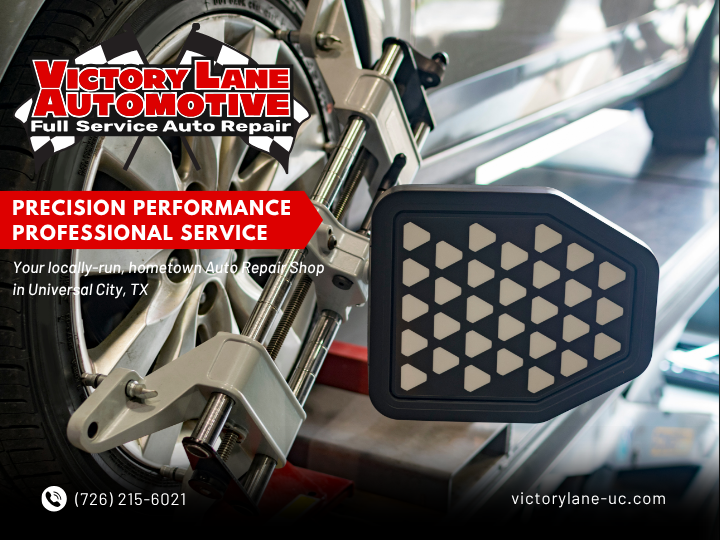
Alignment angles (toe, camber, caster) determine how wheels track and how steering returns to center. Out-of-spec alignment often causes drift or pulling.
What you might notice:
- Steering wheel off-center on straight roads
- Constant lane correction at highway speeds
- Uneven tire wear
- Pull worsens over time
Common triggers:
- Potholes
- Curb impacts
- Worn front-end components
- Suspension/steering work without final alignment verification
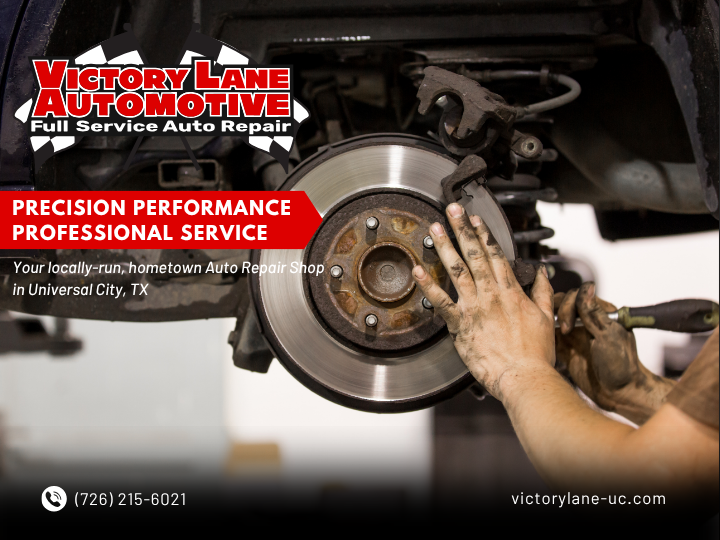
3) Brake Pull (Most Noticeable While Braking)
If the car pulls mainly while slowing down, brake force may be uneven from side to side.
Possible causes:
- Sticking caliper
- Uneven pad application
- Restricted brake hose
- Rotor friction imbalance
What you might notice:
- Car tugs left or right under braking
- Steering wheel movement while decelerating
- One wheel area noticeably hotter
Brake-related pulling should be addressed quickly because it directly affects stopping control.
4) Tire Wear Patterns or Internal Tire Damage
A tire can appear fine at a glance but still cause pulling due to irregular wear patterns or internal structural damage.
What you might notice:
- Pull remains after pressure correction
- Pull and vibration happen together
- Pull behavior changes after rotation
A detailed tire evaluation can identify whether the source is tire-related, alignment-related, or both.
5) Steering and Suspension Wear
Worn steering or suspension components can allow wheel angles to shift while driving, which creates instability and pulling.
Common contributors:
- Tie rods
- Ball joints
- Control arm bushings
- Struts/shocks
- Steering linkage components
What you might notice:
- Wandering steering feel
- Clunk noises over bumps
- Pull changes with speed or road condition
6) Road Crown vs Mechanical Pull
Most roads have slight crown for drainage, so small drift can happen.
But a strong, repeatable pull across different roads usually indicates a mechanical issue.
Warning Signs You Should Not Ignore
Schedule an inspection soon if you notice:
- Pull becoming more noticeable
- Pull mainly during braking
- Steering wheel off-center
- Rapid or uneven tire wear
- Steering wheel vibration
- Recent pothole/curb impact
- Reduced confidence at highway speed
Early inspection can prevent larger drivability and safety problems.
What a Customer-First Diagnostic Process Should Include
If a shop truly has your best interest at heart, the process should be clear, methodical, and transparent:
- Road-test confirmation
Verify when the pull occurs (cruise, braking, acceleration, bumps). - Tire pressure and tire condition check
Measure pressures cold and inspect tread/sidewalls. - Brake system evaluation
Check side-to-side braking performance and signs of drag. - Steering and suspension inspection
Identify wear, looseness, or damage. - Alignment measurement before correction
Document baseline readings and adjust only what is out of range. - Post-repair validation road test
Confirm steering centering and pull resolution.
This protects you from guesswork and repeat issues.
Can You Keep Driving If It Pulls?
A mild pull can feel manageable in the short term, but delaying diagnosis can lead to:
- Faster tire wear
- Lower steering precision
- Reduced braking stability
- Additional wear in connected systems
If the pull is noticeable now, now is the right time to inspect it.
Prevention Habits That Help
- Check tire pressure monthly
- Rotate tires on schedule
- Address vibrations early
- Inspect brakes and suspension routinely
- Recheck alignment after impacts or front-end repairs
Consistent preventive care helps keep handling stable and predictable.
The Bottom Line
When your car pulls to one side, it is not just an inconvenience. It is a meaningful symptom that deserves a complete inspection. Accurate diagnosis and clear communication restore control, protect your safety, and extend tire and component life.
That is what service looks like when the customer’s best interest comes first.
Local Help in Universal City and Nearby Communities
If your vehicle is pulling in Universal City, an early inspection can prevent avoidable tire and steering wear. Drivers from nearby communities—including Live Oak, Schertz, Cibolo, Selma, Converse, Windcrest, Kirby, Alamo Heights, Northeast San Antonio, Randolph area neighborhoods, and surrounding Bexar/Guadalupe corridor communities—can benefit from a thorough, customer-first diagnostic process.
For service and inspection support, contact:
Victory Lane Automotive
264 Kitty Hawk Rd, Universal City, TX 78148
(726) 222-1264
https://www.victorylane-uc.com/
You can watch the video