The 7 Problems Your Car Can Hide Until It’s Too Late
The 7 Problems Your Car Can Hide Until It’s Too Late
The 7 Problems Your Car Can Hide Until It’s Too Late
What every driver in Universal City and the San Antonio area should know before a small maintenance issue becomes a safety problem, breakdown, or major repair
Most vehicle problems do not begin with a dramatic failure. They begin quietly.
A brake component wears down gradually. A tire slowly loses its ability to grip the road. A battery becomes weaker every time the vehicle starts. A small fluid leak continues beneath the hood. A suspension component develops play. A check engine light appears, but the vehicle still seems to drive normally.
Because the vehicle is still operating, many drivers delay having it inspected. Unfortunately, waiting can allow one problem to affect other components. A repair that might have been manageable can become more involved when the original concern is ignored, misdiagnosed, or repaired incorrectly.
This matters to drivers throughout Universal City, Schertz, Converse, Live Oak, Selma, Cibolo, San Antonio, Garden Ridge, Kirby, Windcrest, and surrounding Bexar County communities.
Your vehicle often gives you warning signs before it gives you a breakdown. Knowing what to watch for can help protect your safety, reliability, schedule, and vehicle.
Quick Tip: Keep your repair orders, inspection reports, and maintenance records together. A complete service history helps a technician understand what has already been repaired or replaced.
1. Brake Problems That Begin Before the Vehicle Becomes Difficult to Stop
Many drivers expect brake trouble to announce itself with loud grinding, a warning light, or a pedal that suddenly goes to the floor. Brake problems, however, often begin long before those symptoms appear.
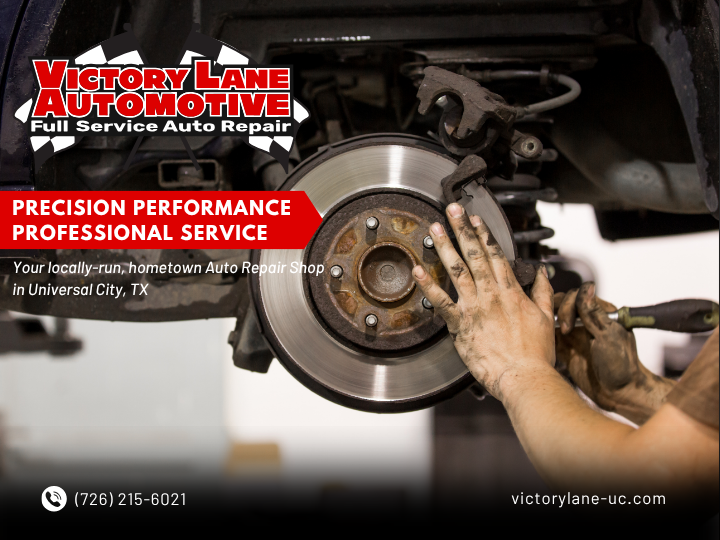
Brake pads gradually become thinner. The vehicle may continue stopping, so the driver assumes everything is fine. If the pads wear too far, metal can contact the brake rotors. Continued driving can damage additional parts of the braking system.
Warning signs include:
- Squealing or scraping
- Vibration through the steering wheel or pedal
- Pulling while braking
- A soft or spongy pedal
- A burning odor
- Longer stopping distances
- Uneven brake pad wear
A gradual change can be difficult to notice because drivers become accustomed to it. A professional brake inspection can identify worn pads, damaged rotors, sticking calipers, leaking hydraulic components, and deteriorated hoses.
Replacing only the most visible part may not solve the problem. Uneven brake wear, for example, may be caused by a sticking caliper or another concern that also needs attention.
The right repair identifies the cause, restores proper operation, and verifies that the vehicle can stop safely.
2. Tires That Look Fine but Are No Longer Performing Properly
A tire does not have to be flat or visibly damaged to create a safety concern.
Tires can develop internal damage, dry rot, sidewall problems, or irregular wear even when they still appear acceptable. A tire may have visible tread but perform poorly in rain because the rubber has aged or the wear pattern is uneven.
Watch for:
- Vibration while driving
- Repeated loss of air
- Cracks in the sidewall
- Bulges or bubbles
- Cupped or scalloped tread
- Uneven tread depth
- Pulling or drifting
- A steering wheel that is not centered
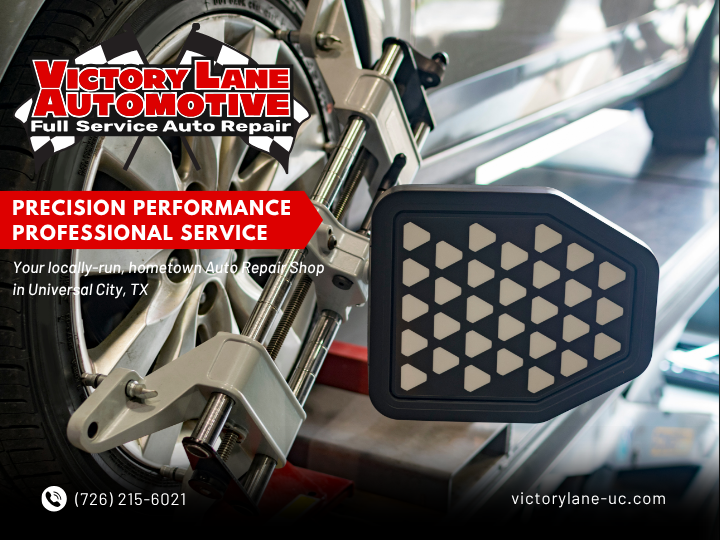
Tire wear is often connected to alignment, balancing, steering, or suspension problems. Replacing a tire without correcting the underlying cause may allow the replacement to wear improperly as well.
A professional tire inspection should evaluate inflation, tread, age, wear pattern, balance, alignment, and the condition of related steering and suspension components.
Quick Tip: Check tire pressure when the tires are cold. Use the vehicle manufacturer’s recommended pressure rather than the maximum pressure printed on the tire sidewall.
Hot Texas temperatures, rough roads, potholes, road debris, and heavy highway driving can all affect tire condition. A tire problem that seems minor may become much more serious during rain or emergency braking.
3. Small Fluid Leaks That Become Major Component Failures
A small spot on the driveway is easy to dismiss. Some drivers assume that if the vehicle is not losing fluid rapidly, the leak is not important.
That is not always true.
Engine oil, coolant, transmission fluid, brake fluid, power steering fluid, and differential fluid each protect different systems. A slow leak can eventually lower the fluid level enough to cause damage.
Ignoring a leak can lead to:
- Overheating
- Loss of lubrication
- Transmission damage
- Brake system concerns
- Contaminated belts or electrical components
- Premature wear
- A vehicle that becomes undriveable
Adding fluid may temporarily hide the symptom, but it does not correct the cause. The leak may come from a gasket, seal, hose, line, pan, pump, or connection.
A professional technician can identify the fluid, locate the source, determine the urgency, and explain what may happen if the repair is postponed.
The important question is not simply, “Can I add more fluid?” The better question is, “Why is the vehicle losing fluid, and what component is that fluid protecting?”
4. A Weak Battery or Charging System That Fails at the Worst Time
A battery can become weak gradually while still starting the vehicle most of the time. Then a hot day, short trip, or extended period of sitting exposes the problem.
Slow cranking, dimming lights, electrical glitches, and repeated jump-starts may point to a battery, alternator, starter, cable, ground, or parasitic drain concern.
Replacing the battery alone may not correct the issue. If the alternator is not charging properly, the new battery can become weak. If another system is draining power while the vehicle is parked, the problem will return. A loose or corroded connection can also create intermittent starting problems.
A complete starting and charging diagnosis should determine:
- Whether the battery can hold a charge
- Whether the alternator is charging correctly
- Whether the starter is drawing excessive current
- Whether cables and grounds are secure
- Whether another system is draining the battery
Modern vehicles contain more electronic systems than ever. Accurate testing is more reliable than replacing parts based only on symptoms.
Professional diagnosis can prevent repeated parts replacement and help identify the real source of the problem before the vehicle leaves you stranded.
5. Cooling System Problems That Remain Hidden Until the Engine Overheats
Cooling system problems may develop slowly. A small leak, weak water pump, failing thermostat, restricted radiator, damaged hose, or malfunctioning cooling fan may not cause immediate trouble.
The vehicle may operate normally on a short trip but overheat in traffic, during warm weather, or while carrying a heavy load.
Warning signs include:
- The temperature gauge rising higher than normal
- A coolant smell
- Coolant beneath the vehicle
- Steam from under the hood
- A heater that suddenly blows cold air
- Repeatedly adding coolant
- A temperature warning message
Driving an overheating vehicle can cause damage beyond the original cooling system problem. Engine components can warp, head gaskets can fail, and internal engine damage can occur.
Quick Tip: Never open a hot radiator or coolant reservoir. The system can be pressurized and may cause severe burns. Allow the vehicle to cool and have it inspected safely.
The correct repair begins with finding the cause. Replacing one component without testing the rest of the system may leave another failure waiting to occur.
6. Suspension and Steering Wear That Slowly Reduces Vehicle Control
Suspension and steering problems often develop so gradually that drivers do not realize how much their vehicle has changed.
A worn shock or strut may cause extra bouncing. A damaged bushing may create a clunk. A worn tie rod, ball joint, or control arm may create looseness. The vehicle may continue moving, but its stability, alignment, braking response, and steering control can be affected.
Common signs include:
- Clunking over bumps
- Excessive bouncing
- Steering wheel vibration
- Uneven tire wear
- Pulling or drifting
- Difficulty keeping the vehicle straight
- Nose-diving during braking
- Loose or wandering steering
Suspension and steering components work together. Replacing only one visible part may not correct the problem if another worn component caused or contributed to the failure.
Continued driving can accelerate tire wear and make the vehicle more difficult to control during emergency braking or sudden maneuvers.
A professional inspection should separate immediate safety concerns from repairs that can be planned. That allows the driver to make informed decisions without unnecessary pressure.
7. Check Engine Light Problems That Affect More Than the Engine
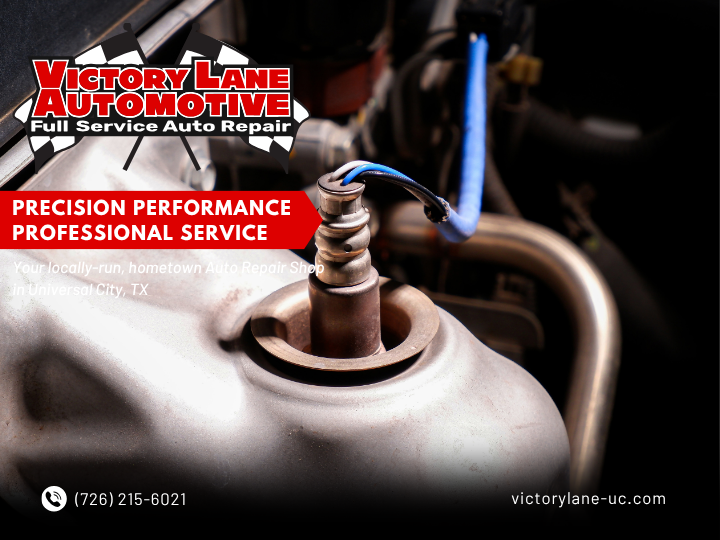
A check engine light may be caused by a minor emissions concern, but it can also indicate a problem with fuel delivery, ignition, timing, sensors, catalytic converter operation, or engine performance.
The mistake is assuming that the diagnostic code automatically identifies the failed part.
A trouble code is a starting point for testing. Replacing a sensor simply because a code mentions that sensor may not correct the real problem. The sensor may be reporting another issue.
Pay attention to whether the light is:
- Steady or flashing
- Accompanied by poor performance
- Appearing with unusual noises or odors
- Combined with reduced power
- Occurring with overheating
- Appearing with another warning
A flashing check engine light may indicate a condition that can damage additional components if the vehicle continues operating. A steady light still deserves attention, especially if the vehicle is running differently.
Professional diagnostic work involves gathering information, testing related systems, confirming the root cause, and verifying the repair. That process helps prevent the cycle of replacing parts, clearing the light, and discovering that the original concern remains.
Why the Correct Repair the First Time Matters
When a vehicle is misdiagnosed or repaired incorrectly, the total burden can become much greater than the original problem.
The owner may experience:
- Additional diagnostic time
- More replacement parts
- Repeated labor
- Towing or transportation problems
- Lost work time
- Damage to related components
- Continued safety concerns
- A vehicle that remains unreliable
Even when a repair is covered by a warranty, returning for a correction still disrupts the owner’s schedule. If the original repair was performed without the proper equipment, information, or training, another shop may need to undo the first attempt before completing the correct repair.
Professional auto repair is not simply installing a part. It is identifying the cause, using proper testing, selecting the correct repair, and verifying the result.
A trustworthy shop should explain what was found, show evidence when possible, identify priorities, and allow the customer to make an informed decision.
Choosing a Professional Auto Repair Shop in Universal City
Drivers in Universal City and surrounding San Antonio communities deserve clear communication and repairs based on safety and reliability.
Victory Lane Automotive is located at 264 Kitty Hawk Road in Universal City, Texas. The shop serves drivers throughout Universal City, Schertz, Converse, Live Oak, Selma, Cibolo, San Antonio, Garden Ridge, Windcrest, Kirby, and surrounding Bexar County communities.
A thorough inspection and clear explanation help you make decisions based on evidence rather than fear. Professional technicians should also help separate immediate safety concerns from maintenance or repairs that can be planned.
When selecting a repair shop, ask:
- What caused the problem?
- How was it diagnosed?
- Is it a safety, reliability, or maintenance concern?
- What could happen if it is postponed?
- Are related components affected?
- How will the repair be verified?
- What should be monitored afterward?
The goal is not to recommend unnecessary work. The goal is to identify what your vehicle needs, explain why it matters, and help you prioritize responsibly.
Protect Your Vehicle Before a Warning Becomes a Breakdown
Your car may be operating today while developing a problem that affects tomorrow’s safety or reliability.
The purpose of an inspection is not to create anxiety or pressure you into approving everything at once. It is to give you accurate information and a practical plan.
Routine maintenance, professional diagnosis, and timely repairs protect your vehicle, your schedule, and the people who depend on you.
If you drive in Universal City, Schertz, Converse, Live Oak, Selma, Cibolo, San Antonio, Garden Ridge, Windcrest, or Kirby, do not ignore a new noise, vibration, odor, warning light, fluid leak, or change in handling.
Contact Victory Lane Automotive at (726) 222-1264 or visit victorylane-uc.com to schedule professional service.
You can watch the video