Top 5 reasons your car needs brakes
Top 5 reasons your car needs brakes
Top 5 Reasons Your Car Needs Brake Service – Confidence, Safety, and Control in Every Mile
Your brakes are the single most important system on your car. Every time you hit the pedal—whether you’re slowing for a stoplight, easing through traffic, or cruising the Texas highways—your safety depends on them. Over time, heat, friction, and wear take their toll, and performance slowly fades without you even noticing.
Regular brake service keeps you in control, protects your investment, and ensures your vehicle can stop when it matters most. Below, we’ll explore the top five reasons your car needs brake service, along with the warning signs, the risks of waiting, and the peace of mind that comes with professional care.
1. Your Brake Pads Are Worn Out
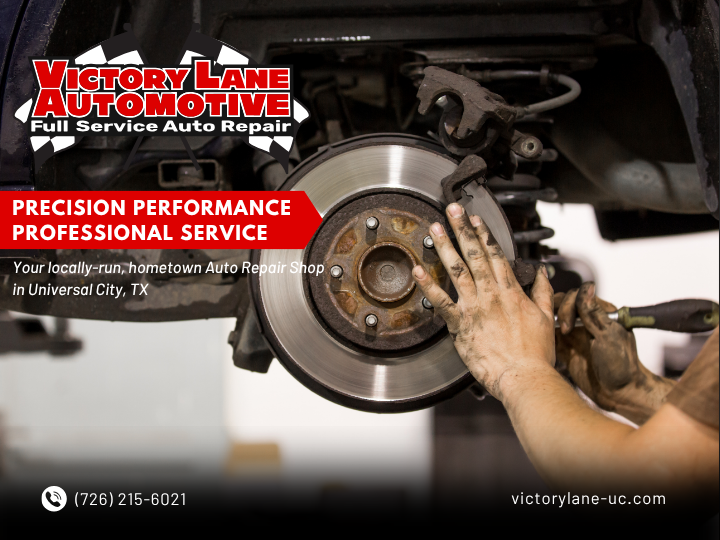
Brake pads are designed to wear gradually as they press against the rotors to slow your vehicle. But once the pad material becomes thin, your stopping power drops, and the metal beneath begins to damage the rotors.
Common signs of worn brake pads include:
- Squealing or chirping noises when braking.
- Grinding sounds that signal metal-on-metal contact.
- Vibration or pulsation through the brake pedal.
- Longer stopping distances or reduced responsiveness.
If you’re driving in stop-and-go traffic, braking on steep inclines, or towing heavy loads, your pads will wear faster. Once the pad material is gone, repair costs multiply because rotors, calipers, and hardware begin to fail in sequence.
Pro Tip: Have your pads checked at least every 5,000 miles. Replacing them early preserves your rotors and keeps braking performance consistent.
2. Your Brake Fluid Is Low or Contaminated
Brake fluid plays a vital role in hydraulic pressure—it’s the invisible force that connects your foot to your vehicle’s brakes. Over time, though, this fluid absorbs moisture, which lowers its boiling point and reduces stopping power under heat or stress.
You may need a brake fluid flush if:
- The brake pedal feels
soft or spongy.
- The
brake warning light is on.
- Fluid appears
dark, cloudy, or dirty.
- Brakes feel weak after long drives or heavy use.
Contaminated fluid can corrode internal brake components, damage seals, and cause brake fade when you need them most—especially in the Texas heat.
Pro Tip: Flush and replace brake fluid every two to three years to maintain strong, consistent pressure and prevent corrosion.
3. You Hear Grinding, Squealing, or Clunking Sounds
When brakes make noise, they’re telling you something’s wrong.
Here’s what different sounds mean:
- Squealing: Pads are nearing the end of their life.
- Grinding: Pads are completely worn out and the rotor surface is being damaged.
- Clunking: Calipers or mounting hardware may be loose.
Heat, humidity, and dust accumulation can all make these noises worse over time. What starts as a faint squeal can quickly turn into grinding if ignored, damaging rotors and adding hundreds of dollars to repair costs.
Pro Tip: Don’t turn up the radio to drown out brake noise—get them inspected immediately. Most issues are easy to correct if caught early.
4. Your Vehicle Vibrates or Pulls When Braking
Smooth braking should feel steady and balanced. If your car pulls to one side, the steering wheel shakes, or the pedal vibrates, it’s a sign of uneven braking or component wear.
Common causes include:
- Warped rotors: Caused by heat and uneven pressure.
- Sticking calipers: One side braking harder than the other.
- Uneven pad wear: Often from improper lubrication or misalignment.
- Suspension or tire imbalance: Can amplify vibration.
When rotors warp or calipers stick, your vehicle’s stability and control suffer. You might not lose braking ability immediately—but every mile increases the wear and the risk.
Pro Tip: If you feel any vibration or pulling under braking, have your rotors and calipers inspected right away. Balancing your system ensures safety and even tire wear.
5. The Brake Warning Light Is On
Your brake light is your vehicle’s built-in alert system. If it turns on, your car has detected something wrong—usually a drop in fluid, pad wear, or a system malfunction.
Possible causes include:
- Low brake fluid.
- Worn brake pads or triggered sensors.
- ABS (Anti-lock Braking System) fault.
- Electrical or hydraulic imbalance.
Even if your car seems to drive fine, ignoring the warning light is risky. The system may still function, but not at full capacity, which means longer stopping distances and higher danger in emergencies.
Pro Tip: If your brake light appears and stays on, pull over safely and have your system inspected as soon as possible.
Additional Warning Signs
Brake wear doesn’t always show up as noise or vibration. Sometimes it’s subtle, and you only notice when performance drops:
- The brake pedal feels unusually firm or low.
- Your car takes longer to stop than normal.
- There’s a burning smell near the wheels after driving.
- You feel a sudden “drag” even when not braking.
All of these can signal developing issues. The sooner they’re addressed, the easier (and cheaper) the fix.
Why Routine Brake Maintenance Matters
Brakes don’t fail overnight—they fade over time. Every day you delay service, the system’s efficiency and safety decline.
Routine brake service ensures:
- Consistent stopping power.
- Longer life for pads and rotors.
- Better control and steering response.
- Reduced vibration and noise.
- Lower long-term repair costs.
Like changing oil or rotating tires, brake maintenance is essential for your car’s overall performance and longevity.
Pro Tip: Include brake inspections in your regular maintenance schedule. Prevention is always cheaper than recovery.
The Chain Reaction of Neglect
If you ignore brake problems, the damage multiplies:
- Pads wear out, exposing metal.
- Rotors warp, causing vibration and heat buildup.
- Calipers overheat, damaging seals and pistons.
- Brake fluid degrades, reducing pressure.
- Complete brake failure becomes a real risk.
The difference between a $150 pad replacement and a $1,000 full brake job often comes down to timing.
Pro Tip: If your brakes sound, feel, or smell different, act now—before the problem spreads.
Understanding the Science of Stopping
When you press the brake pedal, energy is converted to heat through friction. That heat can reach hundreds of degrees during heavy braking, particularly at highway speeds.
When brakes overheat, brake fade occurs — a temporary loss of stopping power. This happens when pads and fluid can’t dissipate heat quickly enough. Once cool, performance returns, but the damage compounds each time.
Pro Tip: Give your brakes a chance to cool during long downhill stretches or heavy stop-and-go driving.
How to Keep Your Brakes in Top Condition
A few small habits can make a big difference:
- Inspect brakes every 5,000–6,000 miles.
- Replace pads before they hit minimum thickness.
- Flush brake fluid every two to three years.
- Avoid “riding” your brakes while driving downhill.
- Rotate tires regularly to maintain balance.
Pro Tip: Combine brake inspections with oil changes or tire service. It’s efficient and ensures balanced wear across all systems.
Why Professional Brake Service Matters
Modern braking systems are sophisticated, combining hydraulic, mechanical, and electronic components. DIY fixes may solve a symptom, but only a professional inspection identifies the root cause.
Professional brake service includes:
- Measuring pad and rotor thickness.
- Testing fluid quality and hydraulic pressure.
- Inspecting calipers, hoses, and lines for leaks.
- Checking ABS sensors and control modules.
- Cleaning and lubricating key contact points.
Pro Tip: Always use a qualified, experienced technician. Proper brake service restores the entire system, not just one part.
Conclusion: Don’t Wait for the Warning Signs
Your brakes are your last line of defense. The top five reasons your car needs brake service—worn pads, contaminated fluid, noises, vibration, and warning lights—are all indicators that it’s time for professional attention.
Ignoring these signs risks your safety, increases repair costs, and reduces your vehicle’s reliability. Timely brake service keeps you safe, steady, and confident — no matter where the road leads.
If you’ve noticed any of these signs, schedule a brake inspection today. Your safety is worth it every single time you drive.
Victory Lane Automotive
264 Kitty Hawk Rd, Universal City, TX 78148
Phone: (726) 222-1264
https://www.victorylane-uc.com/
You can watch the video