What is the Cause of That Clunking Sound in my Truck
What is the Cause of That Clunking Sound in my Truck
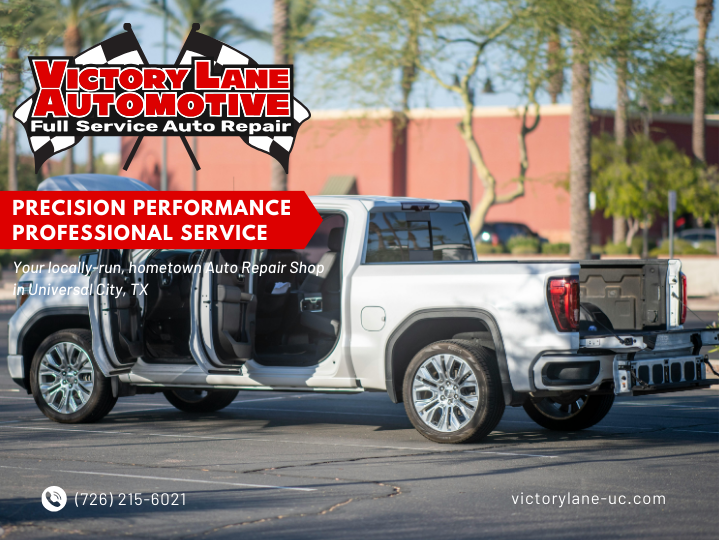
What Is the Cause of That Clunking Sound in My Truck?
(A Detailed Guide for Truck Owners in Universal City, TX and Surrounding Areas)
Introduction: When That Clunk Isn’t Just Background Noise
You’re driving through Universal City—maybe heading down Kitty Hawk Road or pulling onto Pat Booker Road—when you hear it: a deep, unmistakable clunk. It might happen when you shift gears, turn sharply, or hit a small bump. It’s not loud enough to panic you, but it’s clear something’s off.
That clunking sound is your truck’s early warning system. It’s a sign that something in your suspension, drivetrain, or steering system has developed looseness or wear. Ignoring it doesn’t make it go away—it makes it worse. Every time that part moves or strikes against another, it causes more wear, more play, and more risk of failure.
In this complete guide, we’ll walk through what causes clunking noises in trucks, how to identify the source, and how proper maintenance keeps your truck strong, safe, and reliable on Texas roads.
1. What That Clunk Really Means
A “clunk” is a solid, low-pitched impact sound that happens when two components that should move smoothly start hitting each other. It means there’s play, looseness, or broken insulation somewhere in the system.
Most clunks trace back to one of four systems:
- Suspension and steering components
- Drivetrain and power transfer
- Engine and transmission mounts
- Brake and chassis attachments
The best way to diagnose it is to note when it happens:
- Clunk over bumps → suspension issue
- Clunk when turning → steering linkage
- Clunk when accelerating or braking → drivetrain or mounts
- Clunk while shifting → U-joints or transmission mounts
2. Suspension: The Most Common Source of Clunking Noises
Your suspension keeps your truck stable and absorbs road impact. When parts wear out, metal meets metal—and that’s when clunks start.
a) Ball Joints
Ball joints connect your control arms to the steering knuckles. As they wear, they develop slack that causes popping or clunking when turning or hitting bumps.
- Symptoms: Clunks when steering or braking, uneven tire wear, loose handling
b) Control Arm Bushings
These rubber cushions isolate the control arm and frame. When they dry, crack, or separate, you’ll hear a dull thud as the suspension shifts.
- Symptoms: Clunk during acceleration or braking, vibration in the floorboard
c) Sway Bar Links
Sway bars stabilize your truck in corners. When their bushings fail, they produce a knocking sound during turns or uneven road surfaces.
- Symptoms: Clunking in corners, decreased handling stability
d) Worn Shocks or Struts
When shocks can’t dampen motion properly, the suspension bottoms out. That impact produces a deep clunk with each bump.
- Symptoms: Excessive bounce, fluid leaks, tire cupping
3. Steering System: When Turning Makes Noise
If your clunk appears while turning, it’s often within your steering linkage or rack system.
a) Tie Rod Ends
Tie rods connect the steering rack to the wheels. When they loosen, you’ll feel a delay between turning and the wheel’s response, often with a clunk or pop.
- Symptoms: Loose steering, uneven tire wear, noise when turning
b) Steering Rack Mounts
The rack attaches to the frame via rubber mounts. When they degrade, the rack moves slightly under pressure, creating a dull thud during turns.
c) Intermediate Shaft U-Joints
These small joints connect the steering wheel to the rack. When they seize or wear, they create clicking or clunking while steering.
4. Drivetrain: Torque and Load-Related Clunks
When you hear a clunk while shifting, accelerating, or coasting, it’s usually a drivetrain issue—the system that transfers engine power to your wheels.
a) U-Joints (Universal Joints)
U-joints allow the driveshaft to move with your suspension. When they wear, they create a heavy clunk during torque changes.
- Symptoms: Clunk when shifting from drive to reverse, vibration at highway speeds
b) Driveshaft Slip Yoke
The slip yoke slides in and out of the transmission as the suspension moves. When dry or worn, it creates a thump when taking off or stopping.
c) Differential Backlash
When differential gears wear, they develop play, creating a metallic clunk during acceleration or deceleration.
- Prevention: Change differential fluid every 30,000–50,000 miles
d) Transmission or Transfer Case Mounts
When these mounts weaken, they let the drivetrain move under load, creating low, dull impacts beneath the floor.
5. Engine and Transmission Mounts: The Hidden Culprit
Mounts secure your powertrain and absorb vibration. When they deteriorate, the engine or transmission shifts abruptly under torque.
- Symptoms: Clunking during acceleration or braking, visible engine movement, vibration in the cabin
- Fix: Replace worn mounts to restore alignment and protect connected components
6. Brake System: When the Clunk Happens While Stopping
A clunk when braking often points to movement in your brake calipers or suspension joints.
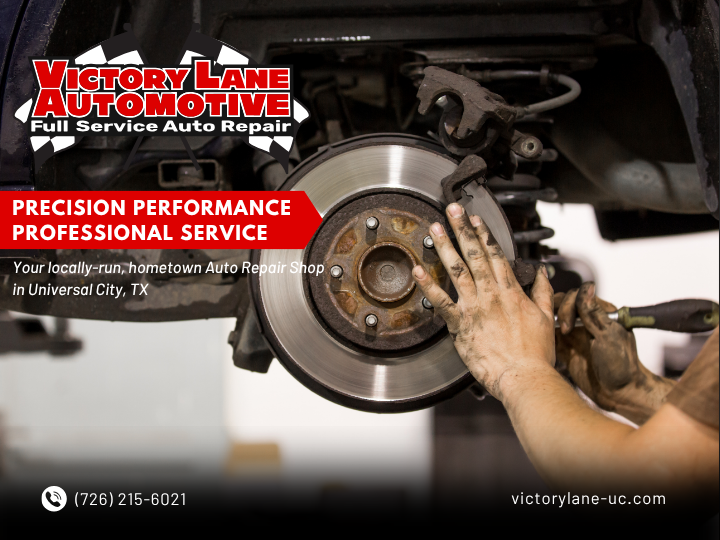
- Loose Caliper Bolts: Calipers move slightly each time you hit the brakes
- Worn Pad Retainers or Shims: Pads rattle within the bracket
- Warped Rotors: Cause uneven contact and rhythmic knocking sounds
Brake noise should always be addressed promptly to ensure safety and control.
7. Frame, Exhaust, and Body: The Simple but Noisy Causes
Not every clunk is complex—sometimes it’s something loose under your truck.
a) Exhaust Hangers or Shields
Broken or rusted hangers let your exhaust system bang against the frame.
b) Spare Tire or Truck Bed Hardware
A loose spare tire carrier, hitch, or toolbox can produce a hollow clunk that mimics a suspension noise.
c) Body Mount Bushings
When these rubber mounts wear out, the body can shift slightly on the frame, producing deep, dull impacts over bumps.
8. Diagnosing the Source
To pinpoint a clunk, pay attention to when and where it happens.
- Timing: Does it happen while turning, braking, accelerating, or hitting bumps?
- Location: Is the sound from the front, rear, or center?
- Pattern: Does it occur consistently or randomly?
- Visual Check: Look for loose bolts, rust, leaks, or worn rubber parts.
- Professional Inspection: Technicians can isolate noises using microphones and lift-based diagnostics.
9. Why You Shouldn’t Ignore a Clunk
A clunk is a symptom of mechanical instability. Ignoring it can lead to:
- Suspension or steering failure
- Excessive tire wear and misalignment
- Damage to mounts, joints, or drivetrain
- Unsafe handling under load or braking
Addressing it early prevents compounding wear and restores your truck’s performance.
10. Preventive Maintenance: Keep the Clunks Away
Routine maintenance keeps your truck running quietly and safely:
- Lubricate U-joints and suspension points at every oil change
- Inspect shocks, bushings, and mounts every 10,000–15,000 miles
- Change drivetrain fluids regularly
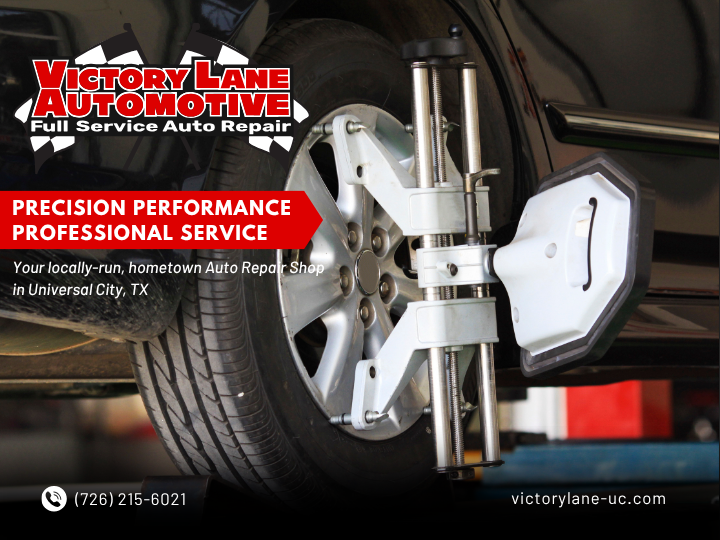
- Perform wheel alignments annually or after pothole impact
- Check and tighten fasteners after off-road trips or heavy towing
Preventive care means fewer surprises, smoother rides, and longer component life.
11. Texas Driving Conditions: Why They Matter
Trucks in Universal City, Converse, Live Oak, and Selma face varied driving environments—urban traffic, open highways, and construction zones. These conditions create vibrations, road shocks, and torque stress that wear suspension and drivetrain components faster.
Add heat, humidity, and occasional heavy rain, and corrosion becomes a real concern. Regular inspections help prevent minor wear from turning into full-blown mechanical failure.
12. The Value of Professional Diagnosis
While you can narrow down where the sound comes from, pinpointing the exact source requires experience and precision tools. Technicians can:
- Identify worn bushings, joints, or mounts
- Detect drivetrain play under load
- Check alignment and torque settings
- Catch early signs of component fatigue
Professional inspection ensures you fix the real problem, not just the symptom.
Conclusion: A Clunk Is Communication—Listen Early
Your truck doesn’t clunk for no reason. It’s telling you that something needs attention. The sooner you listen, the smoother, quieter, and safer your drive will be.
If you’ve noticed clunking while driving through Universal City, Converse, Live Oak, or Schertz, it’s time for a professional inspection. Fixing the cause now ensures your truck remains as strong and reliable as the day you bought it.
Victory Lane Automotive
264 Kitty Hawk Rd, Universal City, TX 78148
Phone: (726) 222-1264
https://www.victorylane-uc.com/
Proudly serving Universal City, Converse, Live Oak, Schertz, and the greater San Antonio area.
You can watch the video