What Does It Mean When You Hear a Clicking Noise When Turning
What Does It Mean When You Hear a Clicking Noise When Turning
What Does It Mean When You Hear a Clicking Noise When Turning?
If your car is making a clicking noise when turning, treat that sound as useful early feedback from your vehicle. In many cases, it points to wear in a steering, suspension, or driveline component that should be diagnosed before it becomes a larger problem.
The goal is not to alarm you. The goal is to protect your safety, your reliability, and your confidence behind the wheel with clear, customer-first guidance.
Why Clicking When Turning Matters
Turning places combined load on several systems at once:
- CV axles and joints
- Steering linkage components
- Suspension joints and bushings
- Wheel bearings and hubs
- Brake hardware
When one of these parts wears, loosens, or loses lubrication, it can click under turning load. The sound is the symptom. A proper inspection finds the cause.
If ignored, the issue can contribute to:
- Reduced steering precision
- Uneven tire wear
- Secondary damage to nearby parts
- Increased risk during sudden maneuvering
Most Common Cause: Worn CV Joint
A common cause of clicking on turns is a worn CV (constant velocity) joint, especially in front-wheel-drive and all-wheel-drive vehicles.
What CV joints do
They transfer torque through the axle while allowing the wheels to steer and the suspension to move.
Why they click
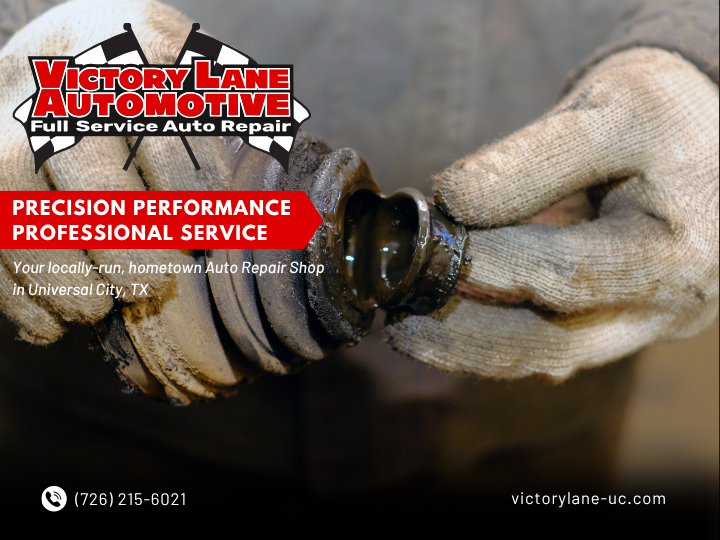
CV joints rely on grease sealed inside a rubber boot. If the boot tears:
- Grease leaks out
- Dirt and moisture get in
- Internal wear increases quickly
- Clicking starts, usually while turning
Typical pattern
- Rhythmic click-click-click in tighter turns
- Louder with light acceleration during a turn
- More obvious turning one direction
Once worn, CV joints typically continue to degrade.
Other Possible Causes of Clicking During Turns
CV joints are common, but several other issues can create similar sounds.
1) Suspension Wear
Ball joints, control arm bushings, sway bar links, and tie rod ends can click/clunk as load shifts in turns.
Possible clues:
- Noise over bumps and turns
- Front-end looseness
- Irregular tire wear
2) Steering Linkage Play
Wear in steering joints can cause clicking during low-speed steering input.
Possible clues:
- Slight dead zone in steering feel
- Less precise turn-in response
- Clicking while parking or making U-turns
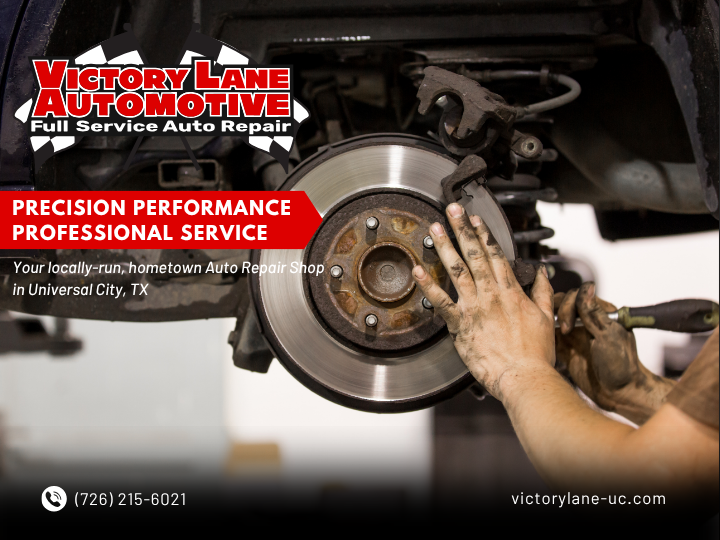
3) Brake Hardware Movement
Loose or worn brake hardware can move during cornering and produce clicking/tapping sounds.
Possible clues:
- Intermittent clicking
- Noise after brake service
- Sound entering angled driveways
4) Wheel Bearing/Hub Issues
Wheel bearings often hum, but some failures can click when side-load changes.
Possible clues:
- Noise changes left vs. right turn
- Sound builds with speed
- Vibration in advanced wear
5) Driveline or Mount Movement
Excess movement in driveline interfaces or mounts can click during torque changes in turns.
Possible clues:
- Click with a slight jolt
- Most noticeable in parking lot maneuvers
- Sound with throttle transitions
Safe Checks Before You Schedule Service
You can capture useful information safely:
In an empty parking lot:
- Turn fully left and drive slowly in a circle
- Turn fully right and repeat
- Note rhythm, loudness, and turning direction
- Check if light acceleration makes the sound louder
Also note:
- Steering wheel vibration
- Vehicle pulling left/right
- Warning lights
- Grease near inner front wheel area (possible CV boot tear)
Avoid going under the vehicle unless you are trained and properly equipped.
Signs You Should Get Immediate Inspection
Prioritize immediate service if:
- Clicking becomes loud, constant, or suddenly worse
- Steering feels unstable, loose, or delayed
- Grinding appears with clicking
- Vehicle jerks/binds during turns
- Strong low-speed vibration develops
These can indicate elevated safety risk.
Why Early Diagnosis Is Customer-First
Having the customer’s best interest at heart means helping you avoid preventable escalation.
Early diagnosis allows you to:
- Confirm root cause quickly
- Prevent damage to connected systems
- Protect alignment and tire life
- Maintain predictable steering and handling
A complete diagnostic process should include:
- Road test to reproduce the symptom
- Steering/suspension play checks
- CV boot and axle inspection
- Brake hardware evaluation
- Wheel hub/bearing assessment
You should get clear findings, plain-language explanations, and prioritized next steps.
What Trustworthy Customer-First Service Looks Like
Expect this process:
- Your concern is heard and documented
- The noise is verified consistently
- Root cause is diagnosed, not guessed
- Safety impact and urgency are explained clearly
- Recommendations are based on your best interest
That is how good decisions are made with confidence.
Local Driving Conditions Around Universal City and Nearby Areas
Vehicles in Universal City, Schertz, Cibolo, Live Oak, Selma, Converse, Windcrest, Kirby, Garden Ridge, New Braunfels, northeast San Antonio, Alamo Heights, Terrell Hills, and Randolph area communities often face conditions that can accelerate steering and driveline wear:
- High-frequency stop-and-go traffic
- Repeated turning and parking maneuvers
- Uneven pavement and pothole impacts
- Heat cycles and seasonal weather shifts affecting rubber components
Local conditions make early inspection of new noises especially important.
What To Do Next If You Hear Clicking While Turning
- Document the pattern
Direction, speed, throttle, road surface, and frequency. - Drive conservatively
Avoid hard cornering and abrupt throttle in turns. - Schedule a professional inspection promptly
Repeatable clicking deserves timely diagnosis. - Ask for root cause and urgency level
Know what failed and what to prioritize first. - Address safety-priority repairs early
Steering and driveline issues usually worsen, not improve.
Final Takeaway
A clicking noise when turning is a warning you can act on before bigger problems develop. Addressing it early protects your safety, preserves reliability, and helps prevent unnecessary complications.
If your vehicle has started clicking in turns, a thorough, customer-first inspection is the right next step.
You can watch the video