What Do I Do Now That Summer Is Here With My Car
What Do I Do Now That Summer Is Here With My Car

What Do I Do Now That Summer Is Here With My Car in Universal City, TX?
Summer in Texas is not gentle on vehicles.
The heat gets intense. Pavement gets extremely hot. Air conditioning runs constantly. Batteries are pushed hard. Tires deal with high road temperatures. Cooling systems have to work harder in traffic. Brakes, fluids, belts, hoses, suspension, and steering components all have to keep performing while the vehicle is operating under added seasonal stress.
For drivers in Universal City, TX, summer vehicle care is not just about comfort. It is about safety, reliability, and preventing avoidable breakdowns before they happen.
Whether you are driving around Universal City, commuting through Live Oak, heading toward Schertz, Selma, Converse, Randolph Air Force Base, New Braunfels, or San Antonio, your vehicle needs to be ready for serious summer conditions.
The question is simple:
What do I do now that summer is here with my car?
The answer is not to panic. It is not to replace everything. It is not to wait until something fails. The right answer is to inspect the systems most affected by heat, understand the true condition of your vehicle, and build a practical plan.
A good auto repair shop should not use summer as a scare tactic. A good shop should educate you. They should explain what is safe, what is wearing, what needs attention, what can wait, and what should be watched.
Summer usually does not create vehicle problems out of nowhere. It reveals weak spots that were already there.
A weak battery may fail.
A small coolant leak may become an overheating concern.
A worn tire may become unsafe.
A weak A/C system may stop cooling well.
An old belt or hose may give out.
Dirty or low fluids may struggle under Texas heat.
That is why summer is one of the best times of year to check your vehicle before the season exposes the problem for you.
Start With the Cooling System
Your engine creates heat every time it runs. The cooling system keeps that heat under control. During a Universal City summer, especially in traffic or on longer drives, that system has to work extremely hard.
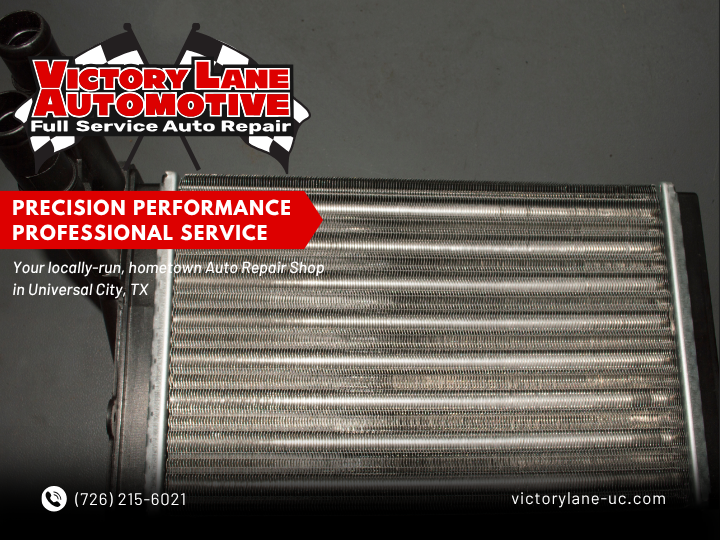
The cooling system includes the radiator, coolant, thermostat, water pump, hoses, radiator cap, cooling fans, and related sensors. If one part is weak, the entire system can struggle.
Cooling system problems may show up as:
The temperature gauge running higher than normal
Coolant smell after driving
Puddles under the vehicle
Low coolant warning light
Steam from under the hood
Engine overheating in traffic
Cooling fans running constantly
Coolant level dropping repeatedly
Overheating is one of the problems you do not want to ignore. When an engine overheats, it can cause serious damage. What started as a small leak, worn hose, weak water pump, bad thermostat, or low coolant level can turn into a much larger repair if the vehicle keeps being driven hot.
A proper summer cooling system inspection should check coolant level, coolant condition, radiator condition, hose condition, water pump operation, thermostat performance, cooling fan operation, pressure concerns, and signs of leaks.
If the coolant is low, the answer is not simply to add more coolant and hope. Coolant does not normally disappear without a reason. There may be a leak, seepage, pressure issue, or another concern that needs to be found.
A customer-first approach means finding the cause, explaining it clearly, and helping the driver make a smart decision before the vehicle overheats.
Make Sure the Air Conditioning Is Ready
In Texas, air conditioning is not just a convenience. It is something most drivers depend on every day during the summer.
A working A/C system keeps you comfortable, but it also helps you stay focused and less fatigued while driving. A hot cabin can make traffic, errands, commutes, and family trips much more stressful.
If your A/C is weak, blowing warm, cooling only while driving, making noise, smelling musty, or taking too long to cool the cabin, there is a reason.
Many drivers assume the air conditioning system “just needs a recharge.” Sometimes refrigerant may be low, but refrigerant does not normally disappear unless there is a leak. Adding refrigerant without finding the reason may only create a temporary fix.
Common A/C concerns include:
Low refrigerant
Refrigerant leaks
Weak compressor performance
Condenser issues
Cooling fan problems
Electrical issues
Restricted cabin air filter
Blend door or control problems
Poor airflow through the vents
Your air conditioning system has to remove heat from the cabin while outside air, road heat, engine heat, and direct sunlight are all working against it. In Universal City summer driving, that is a big job. If the system is already weak, summer will expose it quickly.
A proper A/C inspection should measure system performance, check for leaks, verify airflow, inspect the cabin air filter, and confirm that the fans and controls are working properly.
The goal should not be guessing. The goal should be diagnosis.
If your A/C does not feel as cold as it used to, now is the time to have it checked before the hottest part of summer makes the issue harder to live with.
Test the Battery Before It Leaves You Stranded
Many drivers think cold weather is the biggest threat to a battery, but summer heat is extremely hard on batteries too. High temperatures can speed up battery wear and weaken internal components. A battery that seemed fine in spring may fail during a hot Texas afternoon.
Battery failure often happens at the worst time. You drive somewhere, shut the vehicle off, come back later, and it will not start. The lights may come on. The dash may light up. But the engine may crank slowly or not crank at all.
A summer battery check should include:
Battery state of health
Battery state of charge
Terminal condition
Corrosion inspection
Cable condition
Charging system test
Alternator output
Starter draw when needed
It is important not to automatically blame the battery every time a vehicle does not start. Sometimes the starter is the problem. Sometimes the alternator is not charging correctly. Sometimes there is a cable, connection, or electrical draw concern.
That is why testing matters.
Drivers in Universal City, Live Oak, Schertz, Selma, Converse, Cibolo, Kirby, Windcrest, and San Antonio often do a mix of short trips, commuting, errands, highway driving, and stop-and-go traffic. Short trips can be tough on batteries because the vehicle may not run long enough to fully recharge after starting.
Add extreme heat and constant A/C use, and a weak battery may fail fast.
Testing the battery before it fails is one of the simplest ways to avoid a frustrating summer breakdown.
Inspect Your Tires for Heat, Safety, and Road Trips
Tires are one of the most important safety items on your vehicle. They affect steering, braking, traction, comfort, fuel efficiency, and handling. They are also the only part of your vehicle touching the road.
Texas summer heat is hard on tires. Hot pavement increases tire temperature. Underinflated tires build even more heat. Worn tread reduces traction. Uneven wear can point to alignment, suspension, or rotation problems. Older tires may have cracking or sidewall concerns.
A summer tire inspection should include:
Tread depth
Tire pressure
Uneven wear patterns
Sidewall damage
Cracks or dry rot
Bulges
Punctures
Tire age
Rotation needs
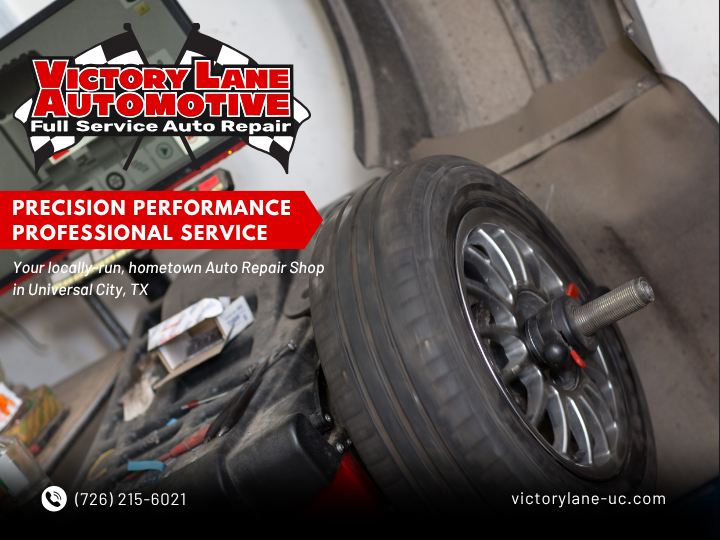
Balance concerns
Alignment concerns
Tires should not be judged by a quick glance. A tire may look “fine” from the side but have uneven wear across the tread. Tire pressure may be low without being obvious. A small puncture may be leaking slowly. Alignment issues may be shortening tire life.
This is especially important in summer because heat increases stress. If you are planning a trip, tire condition becomes even more important. Highway speeds, extra passengers, luggage, hot roads, and long driving time all increase tire demand.
A customer-first tire inspection gives you clarity. If your tires are safe, you should know that. If they are wearing unevenly, you should know why. If they are nearing the end of their useful life, you should know how urgent it is.
Do Not Overlook the Brakes
Brakes matter every season, but summer driving can add extra demand. Traffic, road trips, construction zones, sudden stops, highway driving, and heavier vehicle loads can all affect braking performance.
Brake problems do not always begin with loud grinding. Often, the first signs are more subtle.
You may notice:
Squealing
Grinding
Pulsation when braking
Steering wheel shake
Brake pedal vibration
Soft brake pedal
Vehicle pulling while braking
Longer stopping distance
Brake warning light
Burning smell after driving
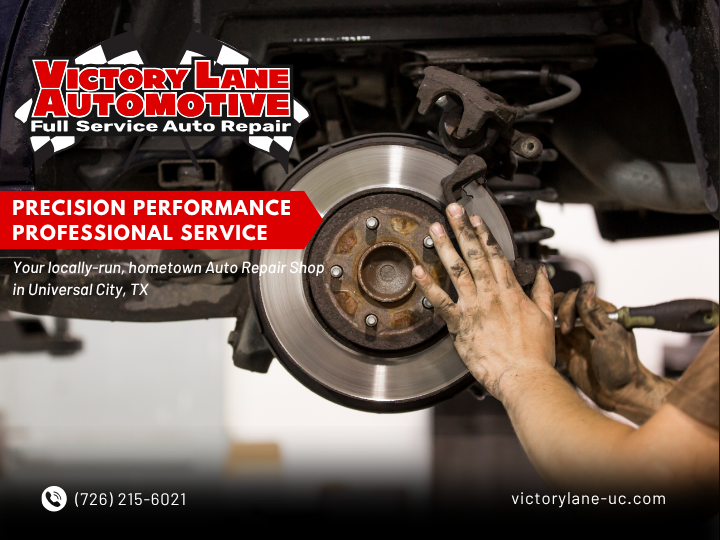
A proper brake inspection should include brake pads, rotors, calipers, brake hoses, brake hardware, brake fluid, and any warning lights.
Brake fluid is often forgotten, but it matters. Over time, brake fluid can absorb moisture. That can affect brake performance and contribute to corrosion inside the brake system.
Not every brake inspection means you need brake work today. But every driver deserves to know the truth. Are the brakes safe? How much life remains? Is anything uneven? Is anything sticking? Is brake fluid in good condition?
A shop that truly has the customer’s best interest at heart should explain what is urgent, what is not urgent, and what should be watched.
Look at Belts and Hoses Before Heat Finds the Weak Spots
Belts and hoses live in a harsh environment. They deal with heat, vibration, pressure, age, and constant use. Texas summer heat makes that environment even harder.
A worn belt can crack, slip, squeal, fray, or break. Depending on the vehicle, belt failure can affect charging, cooling, steering, or air conditioning.
A weak hose can swell, leak, split, or burst. If a coolant hose fails, the engine can overheat quickly.
Belts and hoses should be inspected for:
Cracks
Soft spots
Bulges
Leaks
Coolant residue
Loose clamps
Glazing
Fraying
Age-related wear
These parts are easy to overlook because they may keep working until they suddenly do not. If a belt or hose is clearly worn, replacing it before it fails is not overselling. It is preventing an avoidable breakdown.
The right approach is simple: inspect it, show the customer, explain the risk, and help them decide what makes sense.
Check the Fluids That Protect the Vehicle
Fluids are the life support system of your vehicle. They reduce friction, control heat, transfer pressure, prevent corrosion, and protect expensive components.
Summer heat and longer drives make fluid condition even more important.
Important fluids include:
Engine oil
Coolant
Brake fluid
Transmission fluid
Power steering fluid
Differential fluid
Transfer case fluid
Washer fluid
Each fluid has a job. Engine oil protects the engine. Coolant manages temperature. Brake fluid supports braking. Transmission fluid protects and operates the transmission. Power steering fluid supports steering. Differential and transfer case fluids protect drivetrain components. Washer fluid helps visibility.
Low fluid, dirty fluid, burnt fluid, contaminated fluid, or leaking fluid can lead to bigger problems. Some fluids break down over time. Some become contaminated. Some leak. Some may look acceptable but fail testing.
A proper summer inspection should check fluid levels, fluid condition, leaks, and service history.
This does not mean every fluid needs to be changed immediately. It means the condition should be known. A good shop should help you understand what needs attention now, what should be planned, and what can wait.
Replace Dirty Filters When Needed
Airflow matters in summer. That makes filters important.
Your engine air filter helps keep dirt and debris out of the engine. If it is clogged, the engine may not breathe properly.
Your cabin air filter helps clean the air coming through the heating and air conditioning system. If it is dirty or restricted, airflow from the vents can be weak. A clogged cabin filter can also contribute to odors and make the A/C system feel less effective.
In Universal City and surrounding San Antonio-area communities, vehicles deal with dust, pollen, dry conditions, road debris, traffic, and seasonal changes. Filters can get dirty faster than many drivers expect.
Filters should be inspected, not guessed at. If they are clean, they do not need to be replaced. If they are dirty, restricted, or overdue, replacing them can improve airflow and help the vehicle perform better.
Pay Attention to Warning Lights
Warning lights are your vehicle’s way of telling you something needs attention.
A check engine light, battery light, brake warning light, ABS light, coolant temperature warning, oil pressure warning, tire pressure light, or traction control light should not be ignored.
Summer is not the time to hope a warning light is harmless. Heat, traffic, and longer drives can turn a manageable issue into a breakdown.
The check engine light is especially misunderstood. Some drivers assume the vehicle is fine if it still drives normally. Others assume the worst. The truth is that the light means the vehicle’s computer has detected a problem.
A code scan is not the same thing as a diagnosis. A code points toward a system or condition. It does not always identify the failed part. Proper testing is needed to confirm the cause.
A customer-first diagnostic process should answer the real question: why did the light come on, and what is the right way to fix it?
Think About Your Summer Driving Plans
Summer often changes how people use their vehicles. You may drive farther. You may carry more passengers. You may take weekend trips. You may head toward the coast, the lake, family gatherings, sporting events, vacation destinations, or long highway drives across Texas.
Before a longer summer trip, your vehicle should be checked for road readiness.
Ask these questions:
Is the oil service up to date?
Are the tires safe for highway driving?
Are the brakes in good condition?
Is the battery strong?
Does the A/C work properly?
Are there any warning lights?
Are there fluid leaks?
Are the belts and hoses healthy?
Are the wipers working well?
Is the spare tire or tire inflation kit ready?
The worst time to discover a weak tire, failing battery, coolant leak, or brake concern is when you are far from home.
A pre-trip inspection gives you a chance to handle concerns before they interrupt your plans.
Summer Visibility Still Matters
Summer is not only about heat. It can also bring dust, glare, sudden storms, nighttime driving, and changing road conditions.
That means your wipers, washer fluid, lights, and glass condition matter.
Your summer visibility check should include:
Wiper blades
Washer fluid
Washer spray operation
Headlights
Brake lights
Turn signals
Hazard lights
Reverse lights
Windshield chips or cracks
Mirror condition
Wiper blades can dry out, crack, smear, skip, or chatter after exposure to heat and sun. If they do not clear the windshield properly, they should be replaced.
Lights are just as important. You need to see, and other drivers need to see you. A burned-out brake light, turn signal, or headlight can create risk, especially during traffic, storms, nighttime driving, or poor visibility.
Visibility is a safety issue. It should be treated like one.
Suspension and Steering Should Be Checked Too
Your suspension and steering systems affect control, comfort, braking stability, tire life, and safety. If something is worn, loose, bent, or out of alignment, your vehicle may not handle the way it should.
Signs of suspension or steering problems include:
Vehicle pulling to one side
Uneven tire wear
Clunking over bumps
Loose steering feel
Steering wheel vibration
Vehicle bouncing excessively
Noise when turning
Vehicle wandering on the road
Summer trips, heavier loads, rough roads, potholes, curbs, and construction areas can make existing suspension issues more noticeable.
A proper inspection should look at shocks, struts, ball joints, tie rods, control arms, bushings, wheel bearings, and alignment-related concerns.
If your vehicle does not feel stable, it should be checked. Small suspension and steering problems can lead to tire wear and safety concerns if ignored.
Build a Vehicle Plan, Not Just a Repair List
One of the best things you can do for your car is build a plan.
A repair list can feel overwhelming. A plan gives you control.
A good vehicle plan separates findings into categories:
What needs attention now for safety
What should be handled soon for reliability
What maintenance protects the vehicle long term
What can be monitored
What does not need action today
This is how automotive care should be handled. Not with pressure. Not with fear. With information.
A customer deserves to understand what was found and why it matters. They deserve to know what is urgent and what is not. They deserve to make decisions based on clear explanations, photos, measurements, testing, and honest recommendations.
That is especially important in summer because not everything has the same urgency. A brake safety concern may need immediate attention. A weak battery may need to be replaced before it fails. A dirty cabin filter may be simple maintenance. A slight seep may need monitoring. A fluid service may need to be planned.
A good shop helps you prioritize.
What Summer Reveals About Your Vehicle
Summer reveals weakness.
Heat reveals weak batteries.
Heat reveals cooling system problems.
Heat reveals A/C problems.
Hot pavement reveals tire problems.
Longer trips reveal vibration and alignment concerns.
Traffic reveals overheating risks.
Dust, glare, and storms reveal wiper and visibility problems.
Heavy A/C use reveals airflow and electrical problems.
This is why a seasonal inspection is valuable. It helps you catch problems while they are still manageable.
A vehicle that is inspected and maintained on purpose is easier to own, safer to drive, and less likely to surprise you.
Why Local Driving Around Universal City Matters
Driving around Universal City and the surrounding San Antonio area can be demanding in ways people do not always think about.
Local drivers deal with heat, traffic, short trips, highway driving, long commutes, construction, dry conditions, sudden storms, and intense sun. Many vehicles are not simply cruising at steady speeds. They are starting, stopping, idling, turning, parking, restarting, and sometimes traveling long distances between communities.
That kind of use affects batteries, brakes, tires, fluids, suspension, steering, and cooling systems.
Drivers in Universal City, Live Oak, Schertz, Selma, Converse, Cibolo, Windcrest, Kirby, Randolph Air Force Base, Garden Ridge, New Braunfels, and San Antonio should treat summer as a good time to get ahead of vehicle problems.
The more you know about your vehicle, the better decisions you can make.
When Should You Schedule a Summer Inspection?
You should schedule a summer vehicle inspection if:
You are planning a road trip.
Your A/C is not cooling well.
A warning light is on.
Your battery is older or slow to start.
Your tires are worn or wearing unevenly.
Your brakes feel different.
Your vehicle is leaking fluid.
The temperature gauge is higher than normal.
You hear new noises.
You feel vibration or pulling.
You have not had the vehicle checked recently.
A good inspection should leave you with either peace of mind or a clear plan. Both are valuable.
If the vehicle is in great shape, you can drive confidently. If something needs attention, you can handle it before it turns into a bigger problem.
The Customer-First Way to Handle Summer Car Care
Customer-first auto repair starts with honesty.
It means not using fear to sell. It also means not ignoring real safety concerns. It means explaining things clearly, showing what was found, and helping the customer understand the difference between urgent, important, and optional.
A truly customer-first shop should be able to say:
This is safe right now.
This needs attention soon.
This should be repaired before a trip.
This can be monitored.
This is maintenance that protects the vehicle.
This is why we recommend it.
This is what could happen if it is ignored.
That kind of communication helps customers make good decisions without pressure.
Most drivers do not want to become technicians. They want to know enough to make wise choices. They want their vehicle safe. They want their family protected. They want to avoid being stranded. They want to maintain their vehicle properly and spend money wisely.
That is what summer vehicle care should be about.
Your Summer Vehicle Checklist
Now that summer is here, your vehicle should be checked for:
Cooling system condition
Coolant level and quality
Radiator and hoses
Water pump concerns
Thermostat operation
Cooling fan performance
Air conditioning performance
Cabin air filter condition
Battery health
Charging system performance
Tire tread depth
Tire pressure
Uneven tire wear
Brake pad and rotor condition
Brake fluid condition
Belts and hoses
Engine oil level and condition
Transmission fluid condition
Power steering fluid condition
Differential and transfer case fluids where applicable
Wiper blades
Washer fluid
Exterior lights
Warning lights
Leaks
Noises
Suspension and steering concerns
Road trip readiness
This checklist is not about replacing everything. It is about understanding the condition of your vehicle.
A vehicle that is maintained on purpose is safer, more reliable, and easier to own.
Summer Vehicle Care in Universal City, TX
If you are wondering what to do now that summer is here with your car in Universal City, TX, the answer is simple: have the vehicle inspected, understand its true condition, and build a plan before heat, traffic, road trips, and Texas summer driving expose problems.
That means checking the cooling system, air conditioning, battery, tires, brakes, fluids, belts, hoses, wipers, lights, suspension, steering, and warning lights.
For drivers in Universal City and nearby areas like Live Oak, Schertz, Selma, Converse, Cibolo, Windcrest, Kirby, Randolph Air Force Base, Garden Ridge, New Braunfels, and San Antonio, summer vehicle readiness is a smart way to protect safety, comfort, and reliability.
When you are ready to have your vehicle checked by a local team, Victory Lane Automotive is located at 264 Kitty Hawk Rd, Universal City, TX 78148. You can visit them online at https://www.victorylane-uc.com/ or call (726) 222-1264.
The goal is not to sell you something you do not need. The goal is to help you understand your vehicle, make informed decisions, and stay ahead of avoidable problems.
Because summer is much easier to enjoy when your car is ready for it.
You can watch the video