Why is my temperature light on?
Why is my temperature light on?
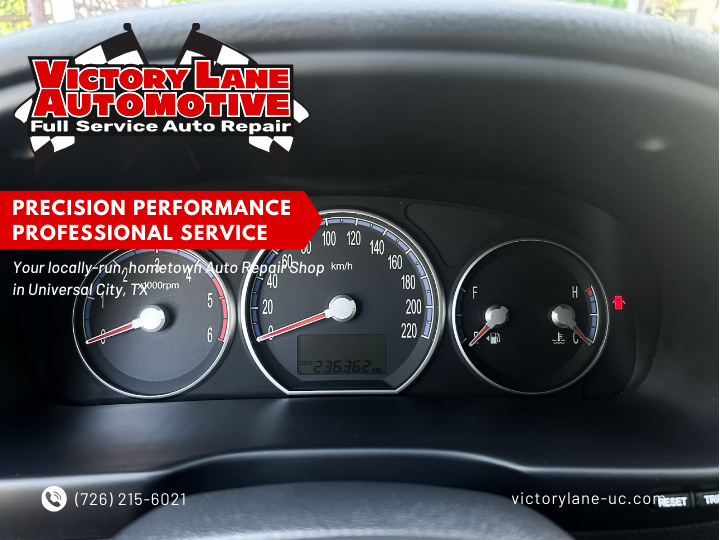
Why Is My Temperature Light On? What It Means, What Causes It, and How to Protect Your Engine
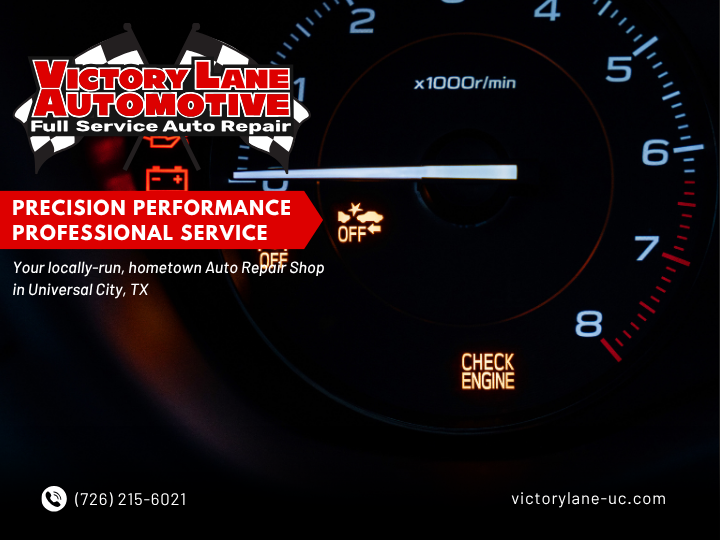
When your temperature warning light turns on, your engine is sending you one of the most serious messages it can send. This is not a maintenance reminder. It is not a minor inconvenience. It is a direct signal that your engine is operating outside its safe temperature range.
Heat is the most destructive force inside an engine. When temperatures climb too high, metal expands, oil thins out, pressure increases, and internal components begin to suffer damage. That damage can escalate quickly.
Drivers in Universal City, Live Oak, Schertz, Converse, Selma, Cibolo, and the greater Northeast San Antonio area often see temperature lights during long summer drives, heavy I-35 traffic, hot Texas afternoons, or even during short trips when a cooling system component fails unexpectedly.
No matter when it appears, the meaning is the same:
Your engine is overheating—or very close to overheating—and immediate action is required.
You may immediately ask:
- Why is my temperature light on?
- Can I keep driving?
- What caused this?
- Is my engine already damaged?
- What should I do right now?
This complete guide gives you clear, structured answers so you can protect your engine and make the right decision.
1. What the Temperature Warning Light Really Means
Your engine is designed to operate within a very specific temperature window, typically around 195–220 degrees Fahrenheit. The cooling system regulates this by circulating coolant through the engine, absorbing heat, and releasing that heat through the radiator.
When the cooling system cannot manage heat effectively, the temperature rises beyond safe limits, and the warning light turns on.
There are two types of alerts:
Steady Temperature Light
The engine is running hotter than normal. Immediate attention is required.
Flashing Temperature Light
The engine is actively overheating. Continuing to drive may cause severe damage within minutes.
When the temperature light activates, one or more of the following is happening:
- Coolant may not be circulating
- Heat may be trapped in the engine
- Pressure may be rising
- Radiator airflow may be restricted
- Oil may be losing lubrication strength
- Internal components may be expanding beyond safe tolerances
This is not a situation to ignore.
2. The Most Common Reasons Your Temperature Light Comes On
Your cooling system is made up of several key components working together. When even one part fails, overheating can occur quickly.
Below are the most common causes.
1. Low Coolant Level
Coolant absorbs heat from the engine and carries it to the radiator. When coolant levels drop too low:
- Heat cannot transfer effectively
- Circulation becomes inconsistent
- The temperature light turns on
Low coolant is extremely common in Texas due to:
- Intense summer heat
- Evaporation
- Aging hoses
- Minor leaks
- Previous overheating
- Faulty radiator caps
If coolant is low, overheating is inevitable.
2. Coolant Leak
A leak reduces both coolant volume and system pressure. Without proper pressure, coolant boils at a lower temperature, and overheating begins.
Common leak points include:
- Radiator
- Water pump
- Heater core
- Thermostat housing
- Hoses and clamps
- Reservoir tank
Warning signs of a leak:
- Sweet smell
- Steam from under the hood
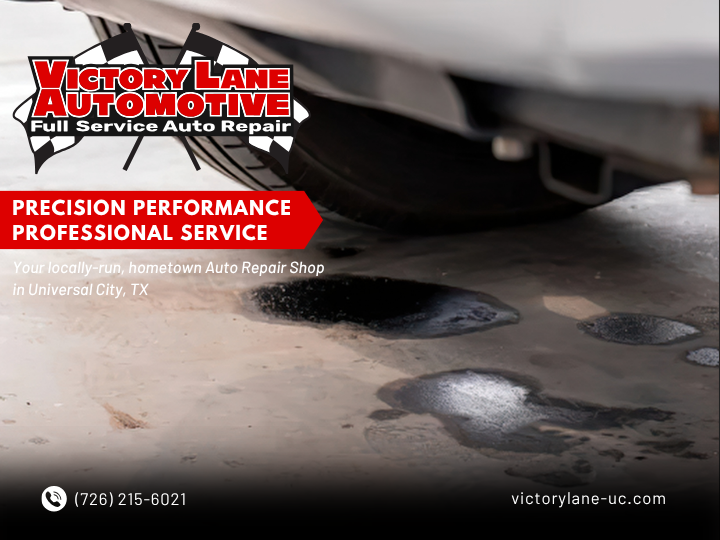
- Visible coolant puddles
- Temperature rising at idle
- Frequent need to add coolant
Texas heat accelerates hose and seal wear, making leaks common.
3. Thermostat Failure
The thermostat regulates coolant flow based on temperature. When it becomes stuck closed:
- Coolant remains trapped in the engine
- Heat builds rapidly
- The temperature light activates
Thermostat failure often appears suddenly and can cause overheating within minutes.
4. Water Pump Failure
The water pump circulates coolant throughout the engine and radiator. When it fails:
- Coolant stops moving
- Heat builds rapidly
- Overheating happens quickly
Signs of water pump failure:
- Coolant leaking near the front of the engine
- Grinding or whining noise
- Temperature rising during acceleration
- Overheating at highway speeds
A failing water pump requires immediate attention.
5. Radiator Problems or Airflow Blockage
The radiator releases heat from hot coolant. When blocked or damaged:
- Coolant cannot cool down
- Heat cycles back into the engine
- The temperature light turns on
Common causes include:
- Internal corrosion
- Debris blocking airflow
- Damaged fins
- Failing radiator fan
- Mineral buildup
Dust, road debris, and high temperatures contribute to radiator issues in Texas.
6. Radiator Fan Failure
The radiator fan cools the engine when:
- Idling
- Driving slowly
- Sitting in traffic
- Using the A/C
If the fan fails due to a bad motor, relay, fuse, or sensor:
- Temperature rises quickly at idle
- The vehicle cools once moving
- A/C performance drops at low speeds
Fan failure is extremely common during long, hot summer days.
7. Air Pockets in the Cooling System
Air trapped in the cooling system disrupts coolant flow and causes sudden overheating.
Air pockets often form after:
- Coolant flushes
- Leak repairs
- Water pump replacement
- Radiator replacement
- Overheating events
Even with a full coolant reservoir, air pockets can cause overheating.
8. Temperature Sensor Malfunction
A faulty sensor may send false readings or fail to detect true overheating.
Symptoms include:
- Gauge fluctuations
- Light turning on and off
- Inconsistent temperature readings
Proper diagnostic testing is necessary to confirm sensor issues.
9. Head Gasket Failure
One of the most serious causes of overheating.
A blown head gasket allows coolant to leak internally or mix with oil.
Signs include:
- White smoke from exhaust
- Milky oil
- Sweet smell from tailpipe
- Rough engine operation
- Rapid coolant loss
- Immediate overheating
This requires urgent professional repair.
3. The Most Dangerous Mistakes Drivers Make When the Temperature Light Turns On
Your response determines the outcome.
Mistake 1: Continuing to Drive
Driving while overheating can cause:
- Warped cylinder heads
- Cracked engine block
- Blown head gasket
- Engine seizure
Damage occurs quickly.
Mistake 2: Turning On the A/C
Air conditioning increases engine load and heat output.
Turn it off immediately.
Mistake 3: Opening the Radiator Cap While Hot
The cooling system is highly pressurized. Opening the cap can release boiling coolant and cause severe burns.
Mistake 4: Adding Cold Water to a Hot Engine
Thermal shock can crack engine components.
Mistake 5: Letting the Engine Idle
If the fan or water pump is not working, idling worsens overheating.
4. What To Do Immediately When the Temperature Light Turns On
Follow these steps:
Step 1: Turn Off the A/C
Reduce engine load immediately.
Step 2: Turn On the Heater
This pulls heat away from the engine.
Step 3: Pull Over Safely and Shut Off the Engine
Do not continue driving.
Step 4: Do NOT Open the Radiator Cap
Allow the engine to cool completely.
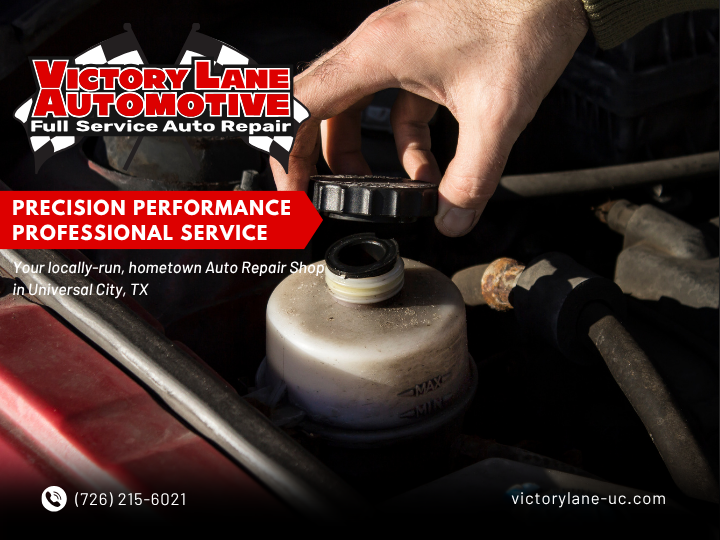
Step 5: Check the Coolant Level in the Overflow Tank
Never open the radiator while hot.
Step 6: Look for Steam or Leaks
This helps identify the issue.
Step 7: Contact a cooling system professional
Overheating requires proper diagnostics.
5. Why Overheating Is So Dangerous
Excessive heat causes:
- Oil breakdown
- Gasket failure
- Seal damage
- Metal warping
- Pressure spikes
- Internal friction
- Coolant boiling
Serious consequences include:
- Blown head gasket
- Cracked cylinder head
- Engine damage
- Loss of compression
- Complete engine failure
This is why the temperature light must never be ignored.
6. How Professionals Diagnose Cooling System Problems
A complete evaluation includes:
- Cooling system pressure test
- Thermostat testing
- Radiator flow inspection
- Water pump inspection
- Coolant condition analysis
- Fan and electrical testing
- Combustion gas testing
- Air pocket removal
- Infrared temperature scan
Proper diagnosis ensures the correct repair the first time.
7. Why Drivers in Northeast San Antonio Experience Overheating More Often
Local conditions contribute to cooling system stress:
- High summer temperatures
- Heavy I-35 and Loop 1604 traffic
- Frequent A/C use
- Long idling times
- Rapid temperature swings
- Dust and debris accumulation
- Aging vehicle population
These factors make cooling system maintenance essential.
8. How to Prevent Future Temperature Light Issues
Preventive maintenance protects your engine:
- Regular coolant flushes
- Hose and belt inspections
- Radiator cleaning
- Thermostat replacement
- Fan and sensor testing
- Water pump inspections
- Routine under-hood checks
Prevention is far less expensive than engine repair.
9. When You Need Immediate Professional Help
Seek immediate service if you notice:
- Steam
- Coolant puddles
- White exhaust smoke
- Sweet smell
- Heater blowing cold
- Rough engine operation
- Rapid coolant loss
- Milky oil
- Repeated overheating
These indicate serious cooling system problems.
10. Trusted Cooling System Repair in Universal City, TX
If your temperature light is on—or if your vehicle has overheated—your engine needs immediate professional evaluation to prevent further damage.
Drivers in Universal City, Live Oak, Schertz, Converse, Selma, Cibolo, and the surrounding area trust Victory Lane Automotive for:
- Complete cooling system diagnostics
- Thermostat replacement
- Radiator repair and replacement
- Water pump service
- Cooling system flush
- Fan and electrical repairs
- Leak detection
- Pressure testing
- Head gasket evaluation
Their team provides accurate diagnosis, clear communication, and long-term engine protection.
Schedule Your Cooling System Inspection
Victory Lane Automotive
264 Kitty Hawk Rd
Universal City, TX 78148
(726) 222-1264
https://www.victorylane-uc.com/
You can watch the video