I need brakes
I need brakes
I Need Brakes: What It Means, What’s Safe, and What to Do Next (Universal City, TX)
If you’re saying “I need brakes,” you’re not asking for a parts list—you’re asking for certainty. You want to know your vehicle will stop the same way every time: in traffic, at highway speeds, in the rain, and during the sudden stops that happen in real driving.
Brake problems are common, but they’re also one of the easiest places to get misdiagnosed or oversold—because the same noise or pedal feel can come from different causes. This guide is built to help you make the next decision with clarity, without pressure, and without guessing.
If braking feels unsafe right now: don’t keep driving to “see if it changes.” Get it inspected as soon as possible.
What “I need brakes” usually means
Most drivers mean one (or more) of these:
- Squeaking or squealing when braking
- Grinding noise
- Steering wheel shakes or the vehicle vibrates while slowing
- Brake pedal feels soft, low, hard, or inconsistent
- Vehicle pulls left or right under braking
- Stopping distance feels longer than it used to
- Brake / ABS / traction warning lights are on
- Another shop told you “you need brakes” and you want proof before approving anything
The best next step is always the same: confirm what’s worn, what’s causing the symptom, and what’s still safe—then choose the repair that matches the facts.
What’s happening mechanically (plain English)
Brakes work like a chain:
- You press the brake pedal
- The booster multiplies your effort
- The master cylinder creates hydraulic pressure
- Brake fluid carries pressure through lines and hoses
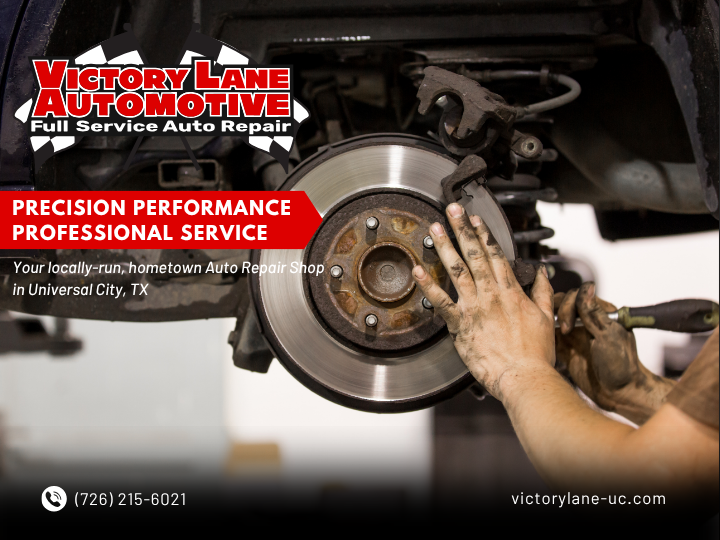
- Calipers clamp pads onto rotors
- Friction slows the wheels and stops the vehicle
A problem anywhere in that chain can feel like “bad brakes,” so symptoms should be verified with inspection.
The real risk of delay (no hype, just outcomes)
Brake issues usually don’t stay the same. What starts as a squeal or slight vibration can turn into:
- Longer stopping distances
- Uneven braking (pulling)
- Overheating and brake fade
- Rotor damage from pad-to-metal contact
- Fluid leaks that reduce braking power quickly
The goal is simple: address it while the repair is still predictable.
Common causes of brake problems
Worn brake pads
Normal wear. Many pads include wear indicators that squeal near end-of-life.
Rotor issues (uneven wear, heat spots, scoring)
Often shows up as pedal pulsation or steering wheel shake during braking.
Sticking caliper or seized slide pins
Can cause pulling, overheating, uneven pad wear, and repeat issues if not corrected.
Brake fluid issues (old fluid, air in system, leak)
Can cause soft pedal, inconsistent braking, or warning lights.
Hardware issues
Clips/shims/abutments and correct lubrication points matter for noise control and even wear.
ABS-related faults
ABS/traction lights don’t always mean “no brakes,” but they do mean a safety system needs diagnosis.
Symptom map: what you notice and what it can mean
Squealing when braking
Could be:
- Wear indicator contacting
- Glazed pads/rotors
- Hardware or lubrication issues
- Pad compound mismatch for your driving
Grinding
Often:
- Pads worn through to metal
- Rotor surface damage
This is a “don’t delay” symptom.
Vibration or shaking during braking
Could be:
- Rotor thickness variation / uneven deposits
- Heat damage
Sometimes: - Suspension/steering wear showing up under braking (needs verification)
Pulling left or right when braking
Often:
- Sticking caliper
- Brake hose issue
- Uneven friction side-to-side
This should be checked soon.
Soft or sinking pedal
Could be:
- Air in the system
- Leak
- Master cylinder concerns
Treat as urgent until verified.
Hard pedal with poor stopping
Could be:
- Booster issue
- Vacuum supply issue
Burning smell / one wheel hotter than the others
Often:
- Sticking caliper
- Parking brake dragging
This can escalate quickly.
How a proper brake inspection confirms what you actually need
A brake inspection should end guessing and give you a clear plan. It typically includes:
- Road test (when safe) to verify the symptom
- Measure pad thickness (inner and outer pads)
- Evaluate rotors for scoring/heat damage; measure condition as needed
- Check caliper movement and slide pins for sticking or binding
- Inspect brake fluid (condition/level) and check for leaks
- Inspect hardware (clips, shims, abutments)
- Scan for ABS/brake codes if warning lights are on, then confirm with testing
You should leave knowing:
- What’s worn
- What’s causing the symptom
- What must be fixed now vs. what can wait
- What options make sense and why
What people waste money on (and how to avoid it)
Replacing pads without addressing sticking components
If calipers/slides are sticking, new pads can wear unevenly and the issue returns.
Replacing parts based on noise alone
Noise can come from hardware, dust shields, glazing, or pad compound—not always “replace everything.”
Ignoring uneven wear patterns
If one pad is much thinner than the other, that’s usually a clue something is sticking or misaligned.
Skipping fluid evaluation
Soft pedal concerns can be fluid/air/leak related and should be verified early.
Repair options (clear choices with tradeoffs)
Option 1: Correct the root cause (when wear parts are still safe)
Examples: hardware correction, slide service, adjustments.
Best when the system is safe but symptoms exist.
Option 2: Standard wear service
When pads are near end-of-life or braking performance has changed.
Should include verifying slide/caliper function and proper hardware condition.
Option 3: Corrective repair for uneven wear/overheating
When evidence shows sticking, heat damage, or repeat issues.
Goal: consistent stopping and long-term reliability—not a temporary quiet-down.
A customer-first shop will explain which option matches the facts—and which options are unnecessary.
Prevention habits that help brakes last longer
- Coast earlier and brake smoothly
- Avoid riding brakes downhill
- Get brakes inspected during tire rotations
- Address new noises early
- Keep wheels/brake areas clean when possible (corrosion affects slides/hardware)
When to stop driving
Arrange service immediately if you notice:
- Grinding while braking
- Pedal suddenly feels soft/sinks or changes dramatically
- Brake warning light plus reduced braking performance
- Strong pull to one side under braking
- Burning smell + one wheel unusually hot
- Visible brake fluid leak near a wheel
If you’re unsure, treat it as a safety issue until confirmed.
Schedule a brake inspection in Universal City
If something feels off, the best next step is a measured brake inspection that confirms what’s worn, what’s causing the symptom, and what the safest path forward is.
Victory Lane Automotive
264 Kitty Hawk Rd, Universal City, TX 78148
(726) 222-1264
https://www.victorylane-uc.com/
FAQ
How do I know if it’s pads or rotors?
Pads often squeal as they wear; rotors often show as pulsation/shake. But overlap is common—inspection confirms it.
Is squealing always urgent?
Not always, but it’s a sign to measure pad life and check hardware. Grinding is the symptom that shouldn’t wait.
Why does the steering wheel shake when braking?
Often rotor-related, but suspension/steering wear can also show up under braking. A road test separates the causes.
What does a soft brake pedal mean?
Possible air in the system, old fluid, a leak, or master cylinder concerns. Treat it as urgent until verified.
Can I drive with the ABS light on?
Often the base brakes work, but ABS/traction may not. Diagnosis is recommended, especially before wet-weather season.
Why did my brakes wear unevenly?
Common causes include sticking slides/caliper, corrosion, hardware issues, or driving patterns. Uneven wear should be explained, not ignored.
How often should brakes be inspected?
A good baseline is during tire rotations and whenever you notice noise, vibration, pull, or pedal changes.
Internal link suggestions (to add on your site)
- Brake Repair / Brake Service page
- Brake Inspection / Diagnostics page
- ABS & Warning Light Diagnostics page
- Tire Rotation / Maintenance Inspections page
- Suspension & Steering Repair page (for shake/pull concerns)
You can watch the video